By Liam Halberg
When we think of wildlife trafficking in Africa, iconic species such as pangolins, elephants, rhinos and parrots come to mind. Yet an alarming and often overlooked trade is quietly gaining momentum. Recent seizures of ants, spiders and scorpions reveal that the exotic pet trade is increasingly targeting some of Africa’s smallest and least conspicuous wildlife species.
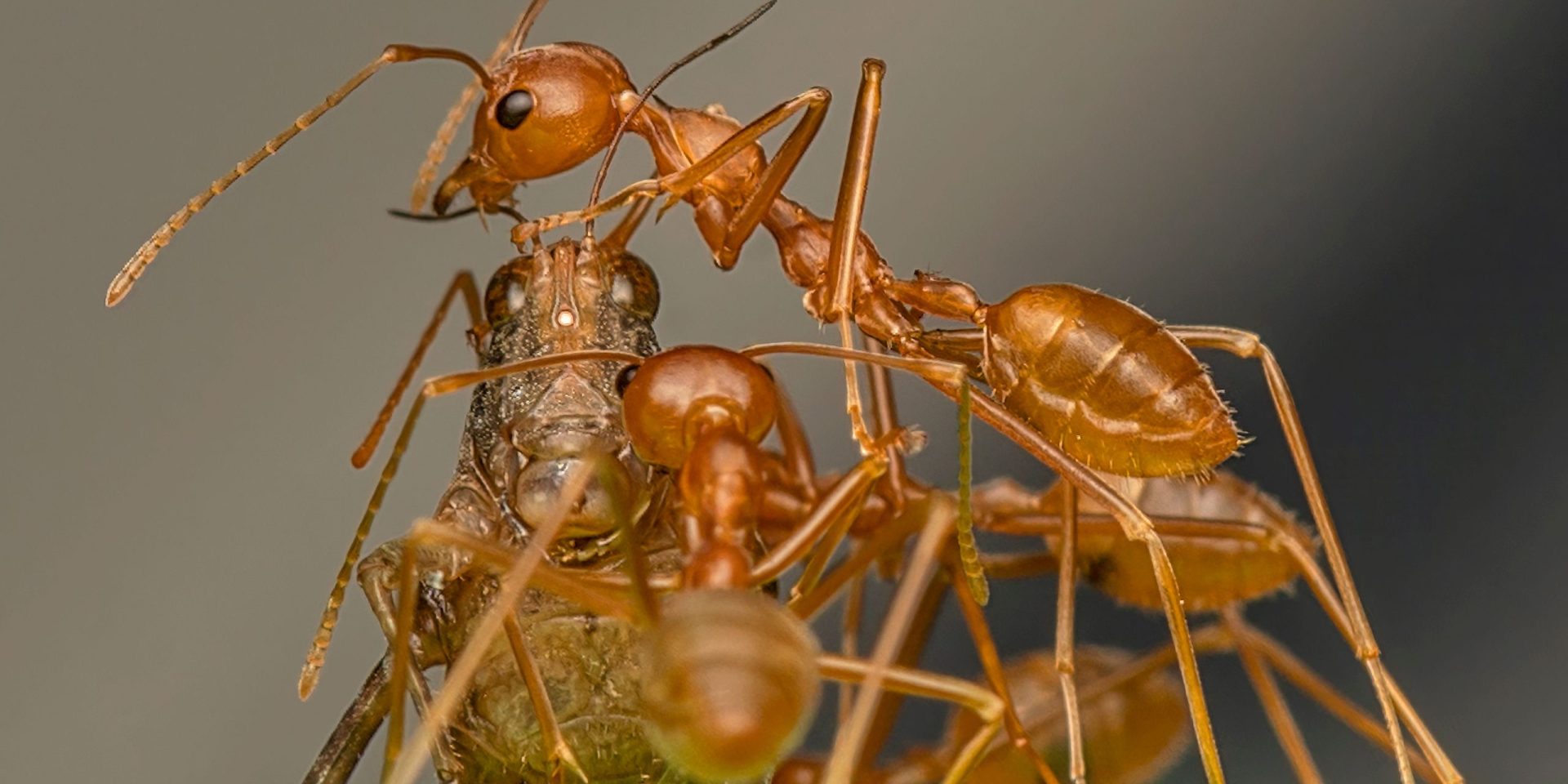
After the first rains in Kenya, winged giant African harvester ants rise from the ground to mate. A fertilised queen then searches for a place to begin a colony that may survive for decades. This is a fleeting, high-stakes window that represents her single chance to secure the survival of an entire future generation.
For wildlife traffickers, however, that brief stage of the ant’s life presents a lucrative opportunity: capturing the Messor cephalotes queen which can sell for as much as US$220 on the illegal exotic pet market. Once the queens emerge, they can be collected in large numbers and sealed individually inside plastic tubes. Their small size makes the trade easy to conceal and its ecological cost difficult to measure.
Recent busts are highlighting the scale of this illicit trade. In 2025, four people were caught attempting to smuggle more than 5,000 ants out of Kenya. Each was fined about US$7,700 or sentenced to 12 months in prison. The small containers kept the ants alive during transport while allowing thousands to fit inside ordinary luggage. Investigations traced the trafficking network through Nairobi, Gilgil and Naivasha. Later, in March 2026, Kenyan authorities intercepted more than 2,200 live queen garden ants at Jomo Kenyatta International Airport, reportedly bound for China. Some were held in specialised tubes; others were hidden in tissue rolls.
A queen’s market price says little about what her removal means in the wild. In colonies dependent on a single reproductive queen, removing her from her natural environment stops the production of new workers. Existing workers may survive for a time, but the colony will eventually decline and ultimately collapse. The loss extends beyond the nest. Harvester ants aerate soil, redistribute nutrients, and carry seeds across the savannah. Entomologist Dino Martins calls them “the farmers of the grassland” because their work helps maintain a diversity of grasses. The loss of one colony can therefore have ripple effects throughout the ecosystem, impacting plant growth and food availability for other species.
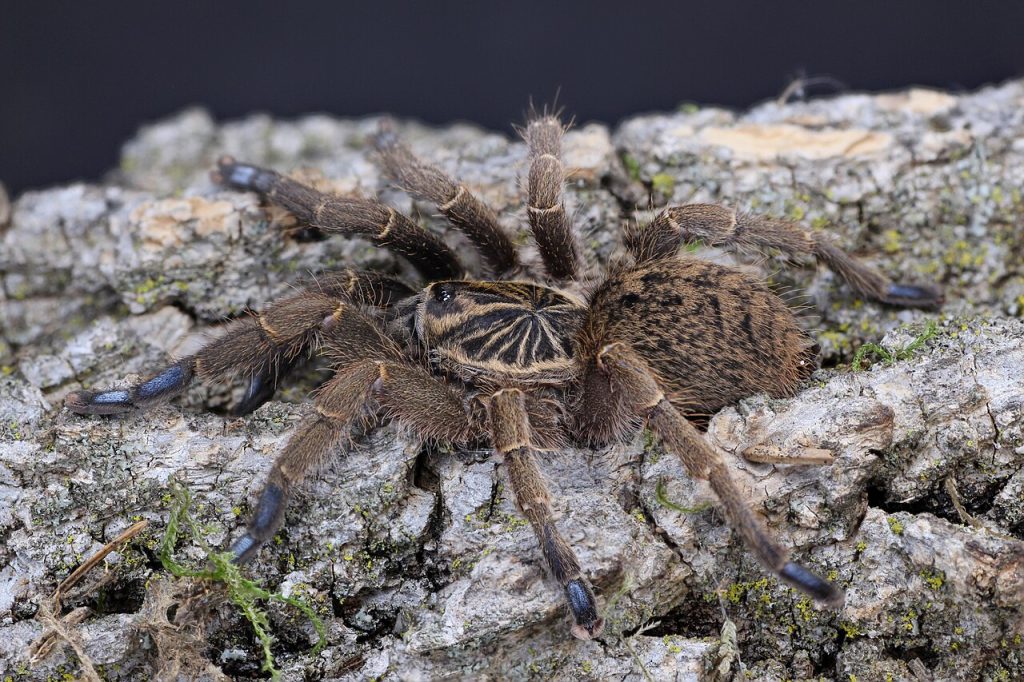
Unfortunately, for many less-studied invertebrates, too little is known to estimate how their removal from the wild is affecting populations or the ecosystems they support. Take the blue-footed baboon spider, for example. It is unclear how many remain in the wild and the extent of trafficking, even as the species appears regularly in the international exotic pet trade. Without this data, researchers cannot gauge how much pressure this illegal trade places on their population survival. South Africa is home to 44 baboon spider species across eight genera, many of them endemic. The blue-footed species is found nowhere else in the world. They spend most of their life in silk-lined burrows and rarely travel far, making surveys difficult and leaving known sites vulnerable to repeated capturing. For this reason, the species has not been assessed for the IUCN Red List, so its global extinction risk remains unknown.
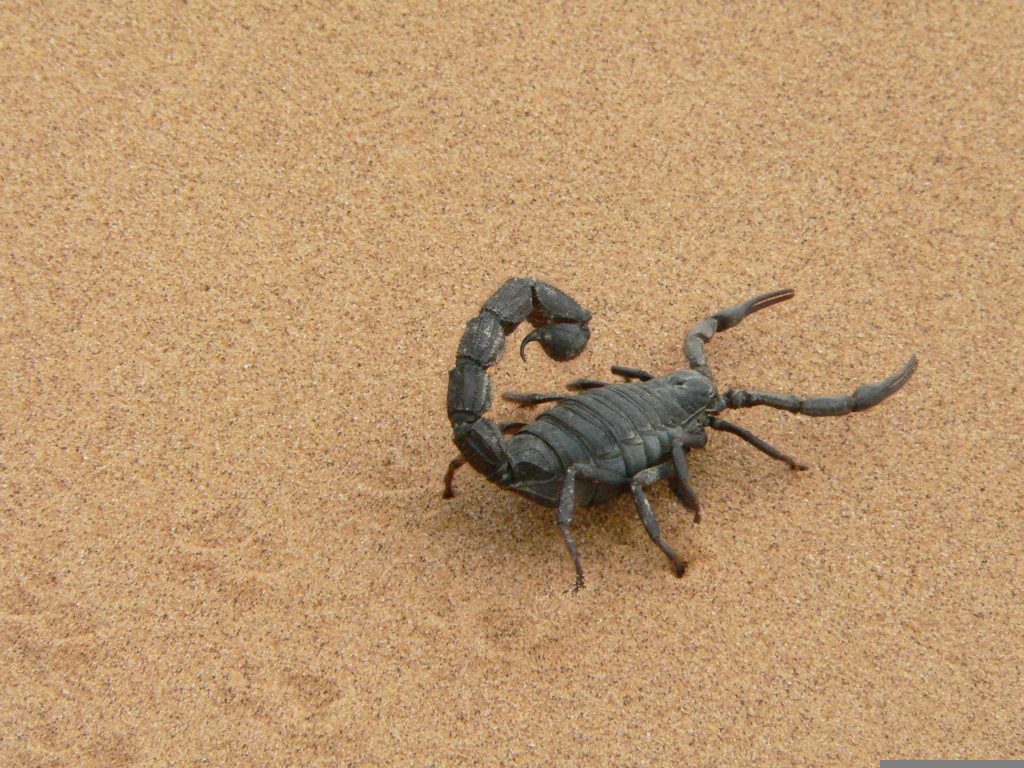
Limited population data are only part of what makes this trade difficult to trace. Invertebrates are also easy to conceal and transport across borders. As the Kenyan ant cases proved, thousands can be hidden inside ordinary luggage. South Africa saw another seizure in June 2026, when police found 150 live scorpions concealed among a passenger’s clothes at Cape Town International Airport. The scorpion case did not involve the same species or route, but it exposed the same practical advantage for traffickers: large numbers can be moved in very little space.
Each seizure provides merely a glimpse of the illegal trade. Shipments that pass detection leaves no record of the animals removed from the wild or the ecological consequences. International monitoring does little to fill that gap. No ant species is listed under CITES, the convention regulating international wildlife trade, so countries are not required to monitor or record their cross-border trade.
Protecting Africa’s smallest wildlife begins by seeing the bigger picture and understanding the value they provide to their ecosystems. Putting an end to this illegal trade is not only the responsibility of customs officers and conservationists. It depends on buyers and collectors refusing to fuel the demand by saying NO to poaching and the illegal wildlife trade.
Anyone who sees suspected illegal collection, sale or transport of wildlife should report it to local wildlife or law-enforcement authorities. In South Africa, reports can be made to the DFFE Environmental Crimes Hotline (0800 205 005) or SAPS Crime Stop (08600 10111). In Kenya, suspected wildlife crime can be reported to Kenya Wildlife Service (0800 597 000) or anonymously through the DCI’s Fichua kwa DCI service (0800 722 203).