– Written by Isabel Bull
The end-of-year holiday is the perfect time to slow down, reconnect, and spend time outdoors. Across Africa, the festive season brings warm weather, abundant wildlife, and landscapes at their most alive, making it an ideal time to travel with intention.
Ecotourism offers a meaningful and responsible way to explore Africa’s natural beauty while directly supporting conservation and local communities. Park entrance fees, guided walks, and stays at eco-lodges help fund vital conservation efforts such as anti-poaching units, wildlife monitoring, habitat restoration, and park maintenance. These contributions also support communities who live alongside these landscapes, creating sustainable livelihoods rooted in stewardship rather than exploitation.
This festive season, we encourage you to make your holiday adventure count for conservation.
Not sure where to go? Here are some ecotourism experiences you can enjoy during the festive period:
- Visit some of the best national parks across Africa
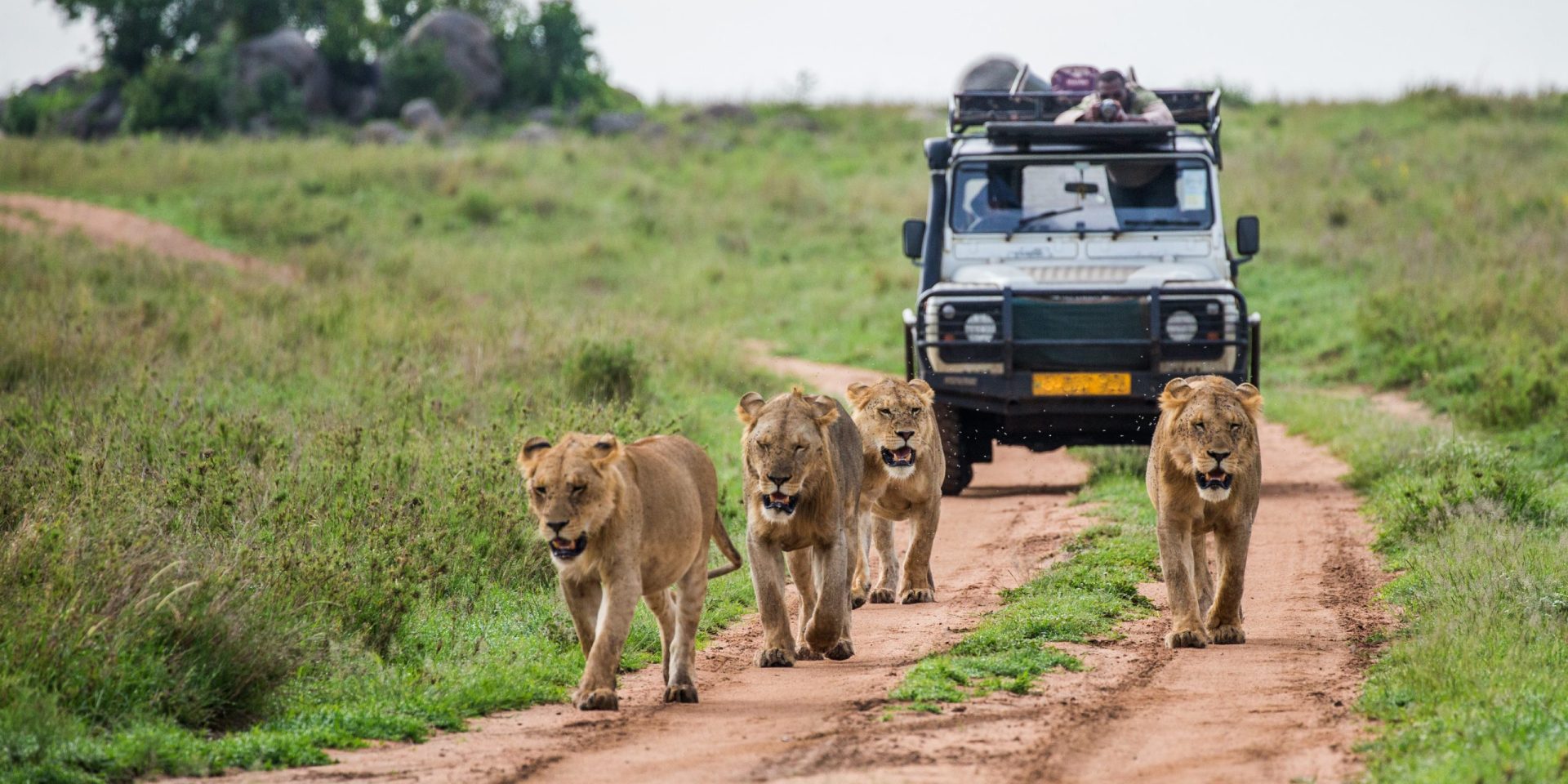
For many, the most standout ecotourism experience begins inside a national park. These protected landscapes form the backbone of conservation across the continent, safeguarding endangered species, preserving ecosystems and offering visitors the chance to witness nature in its most authentic form. From wide-open plains filled with migrating herds to dense rainforests echoing birdsong, Africa’s national parks capture the full diversity of the continent.
Here are some standout national parks across the countries that we operate in:
Ghana
- Mole National Park: This is Ghana’s first, largest, and most prestigious protected area. It is known for being a hotspot for elephant conservation and savannah wildlife viewing.
- Kakum National Park: A rainforest reserve with a wonderful canopy walkway, making it an incredible site for bird watchers.
- Etosha National Park: Iconic for its Big Four wildlife viewing, centered around the biggest salt pan in Africa – so big, it is visible from space!
- Namib-Naukluft National Park: Home to the expansive Sossusvlei dunes, breathtaking Deadvlei and the mini oasis of Sesriem Canyon.
- Yankari National Park: The most popular National Park in Nigeria, best known for its elephant population and the Wikki Warm Springs.
- Cross River National Park: A biodiversity hotspot and sanctuary for the endangered Cross River gorilla.
- Volcanoes National Park: Participate in a trek to view the endangered Mountain Gorillas within the Virunga Conservation area.
- Akagera National Park: Home to the Big Five, with an impressive conservation success story and is now the largest protected wetland in Africa.

- Kruger National Park : One of Africa’s largest and most diverse wildlife reserves making it the flagship of the South African National Parks!
- Addo Elephant National Park: Famous for its dense elephant population and focus on elephant conservation. The “Big Seven” can be seen here which includes the Southern right whale and the Great white shark.
- Serengeti National Park: An iconic World Heritage Site where the annual Great Migration takes place.
- Ngorongoro Conservation Area: A UNESCO site with breathtaking landscapes and mountains, where wildlife coexists with the Maasai people.
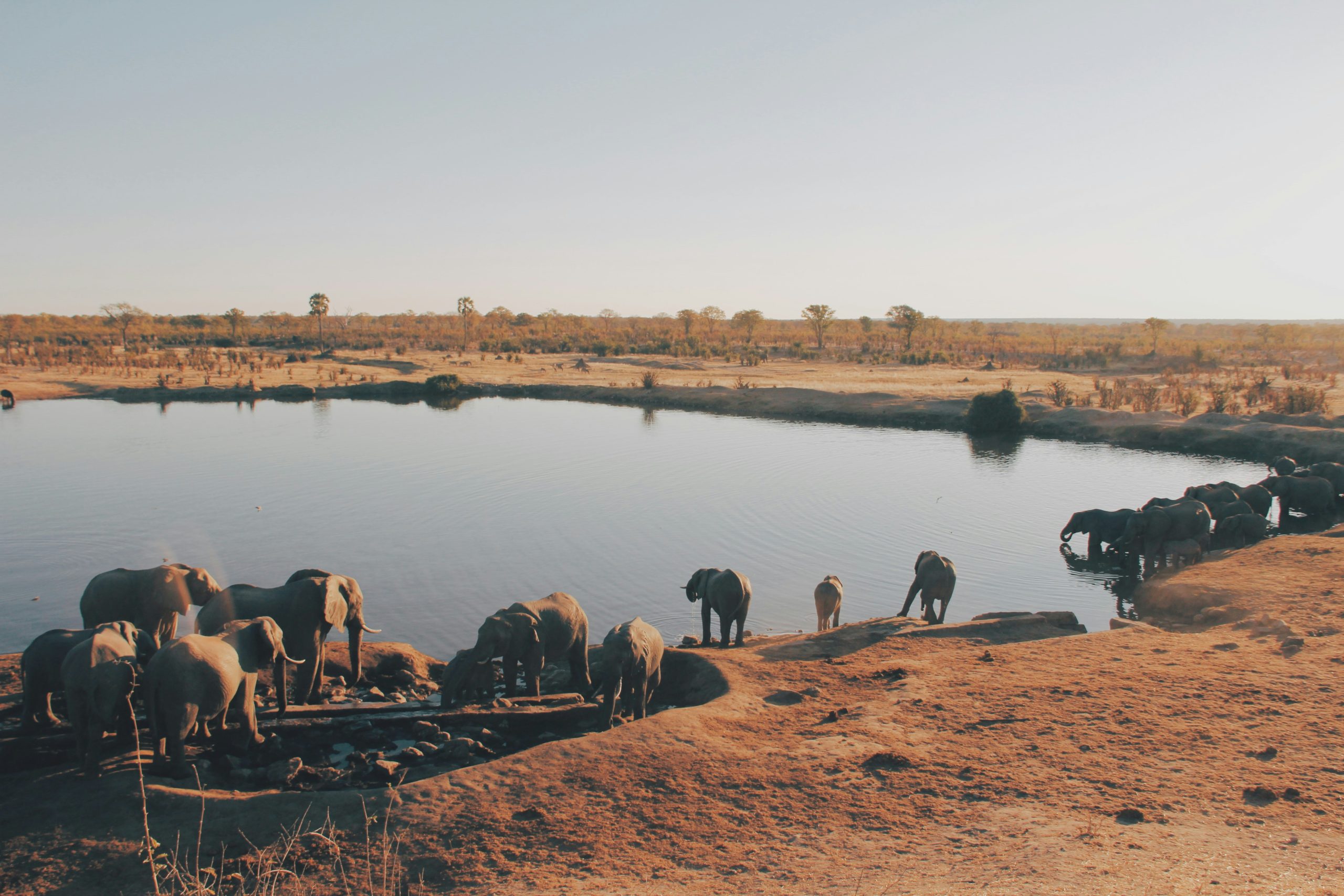
- Hwange National Park: Zimbabwe’s largest national park, known for huge elephant herds, excellent game viewing, as well as being home to Africa’s largest population of the endangered wild dog.
- Mana Pools National Park: An UNESCO World Heritage Site, ideal for wildlife viewing beside the river and in the flood plains.
Kenya
- Maasai Mara National Reserve: Iconic safari destination due to its high predator sightings and viewings of the Great Migration.
- Amboseli National Park: Here, large elephant herds can be seen at the stunning foothills of Mount Kilimanjaro.
2) Marine and Coastal Conservation Experiences
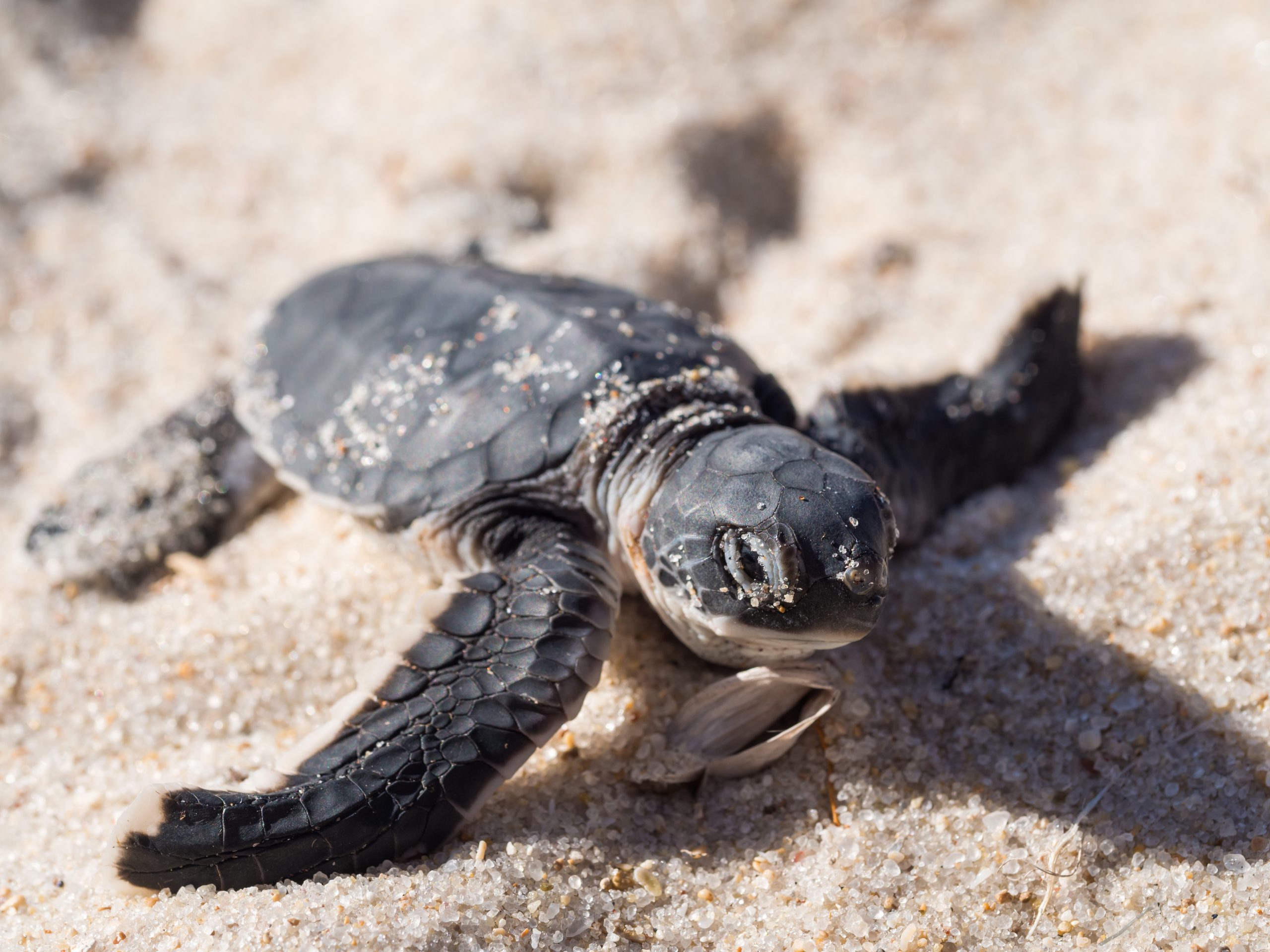
Africa’s coastlines are equally as important as its inland parks. From whale migration routes to turtle nesting beaches, coastal ecosystems support extraordinary biodiversity. Travelling along the coast offers opportunities to take part in responsible marine activities such as guided snorkelling in Zanzibar’s protected marine parks, whale watching in Hermanus, South Africa, and turtle conservation programmes along Kenya’s Watamu and Lamu coasts.
3) Exploring at a Slower Pace
Across Africa, a range of slower-paced activities allow for a quieter, more relaxed way to experience nature. Destinations such as Mana Pools in Zimbabwe and Kruger National Park in South Africa are renowned for guided walking safaris, while canoe trips along the Zambezi River and extensive hiking trails in and around South Africa’s Drakensberg Mountains provide equally meaningful ways to explore the landscape. These understated activities are closely aligned with conservation principles, relying on skilled local guides, minimizing environmental impact, and respecting wildlife. For many travelers, they become the most memorable moments of their journey.
4) Staying Local? Small Ways to Make a Big Difference
Ecotourism is not only about large-scale travel adventures. For those staying closer to home, this time of year also offers new opportunities to reconnect with nature, support conservation, and give back. Paying the entrance fee at a local botanical garden or nature reserve helps fund the protection of green spaces and environmental education. Taking part in beach, river, or park cleanups, or supporting tree-planting and restoration projects, contributes to healthier cities and ecosystems. Choosing eco-conscious guesthouses and tour operators for short, local breaks also supports responsible tourism. These small actions can make a meaningful difference in your local area.
So, whether it’s trekking through the mountains in Rwanda or cleaning up a nearby beach, your holiday choices hold power. Visiting Africa’s protected areas or supporting conservation where you live makes a memorable experience also a meaningful one.
This holiday season, conservation can become part of your celebration. Travel with awareness, explore with respect, and take part in protecting the one-of-a-kind Africa.