By Liam Halberg
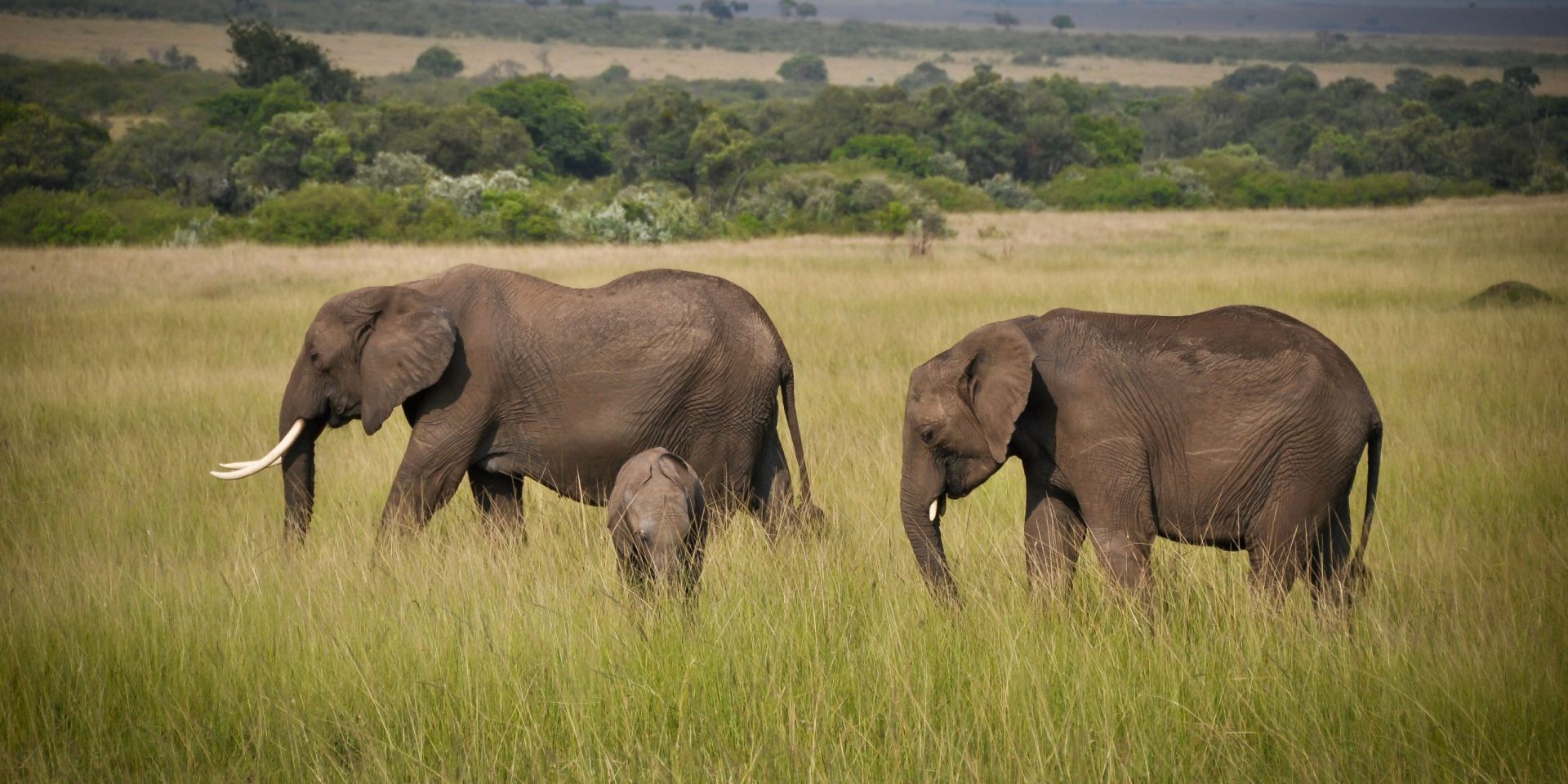
On a recent trip off South Africa’s west coast near Dassen Island, fine art photographer Chris Fallows and author and naturalist Monique Fallows witnessed something extremely rare. They encountered a “supergroup” of nearly 300 humpback whales.
By photographing their unique tail flukes, the research platform Happywhale identified 299 individuals—the largest single humpback gathering ever recorded on the platform within 24 hours. Because humpbacks usually travel solo or in tiny pods, a crowd this size was a remarkable sight.
That gathering was decades in the making. Commercial whaling once declined Southern Hemisphere humpbacks to under 10,000, but protection in the 1960s and a global pause on commercial whaling in 1986 gave them room to bounce back. Today, the population tops 100,000. Super-groups began reappearing off South Africa around 2012, marking a major milestone.
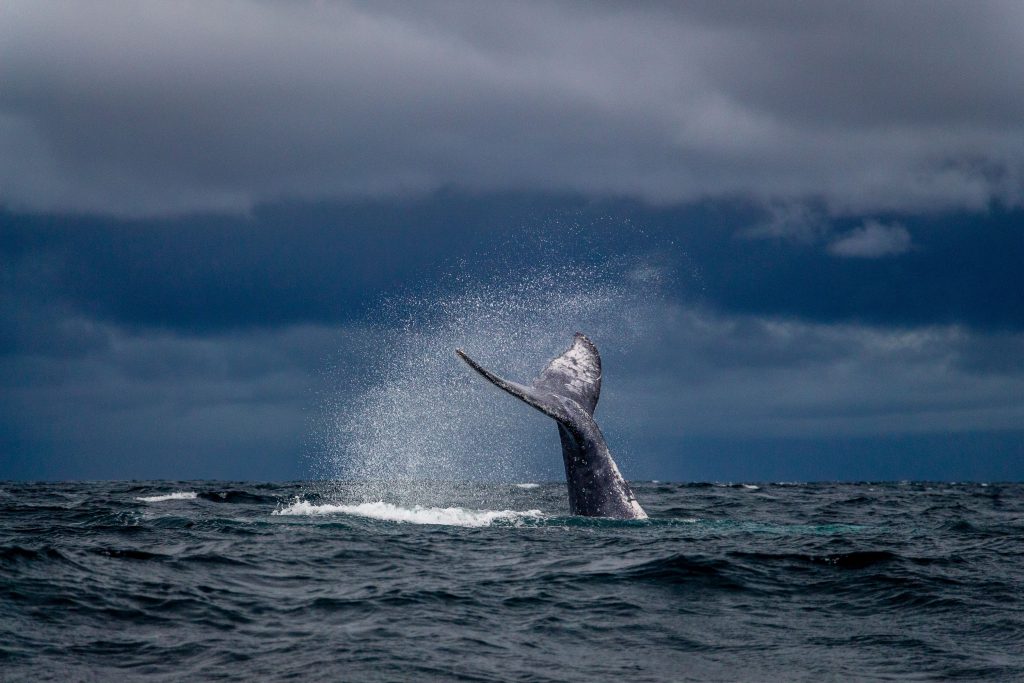
Tanzania’s latest national census offers more good news. The 2024/2025 survey counted 66,714 elephants, up by over 20,000 from 2014. While the newer survey covered more ground, making an exact comparison tricky, officials attribute the rise to real progress driven by overall enhanced conservation efforts, including stronger anti-poaching patrols and management. This now makes the country the third-largest holder of elephants in Africa, after Botswana and Zimbabwe.
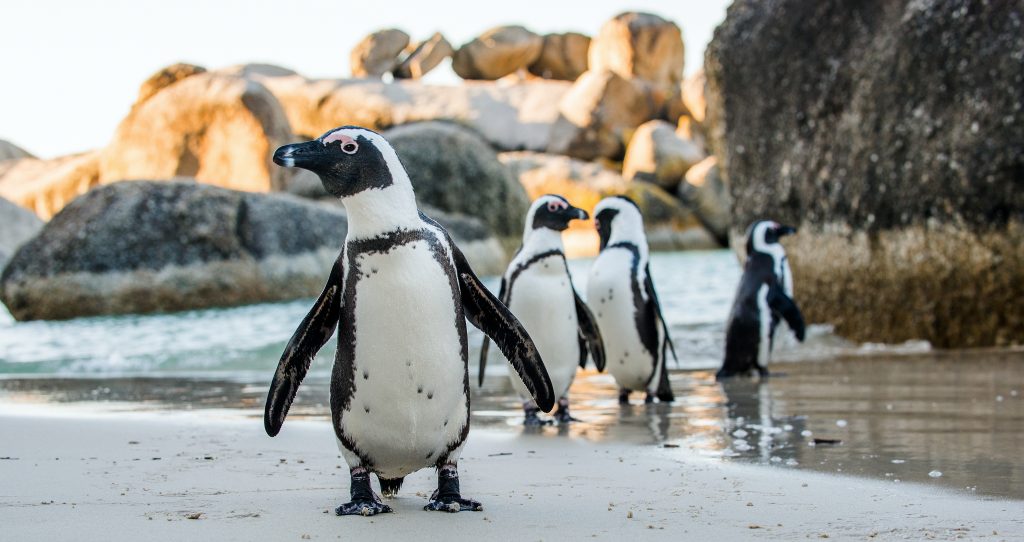
Further south in Cape Town, South Africa at Boulders Beach, the story is smaller but still equally encouraging. A 2026 census counted 790 breeding pairs of African penguins, which is up 92 pairs from 2025. The site now hosts around 2,528 penguins, representing 8 to 9 percent of South Africa’s total population.
For a critically endangered bird with under 10,000 breeding pairs left worldwide, any increase is reason to celebrate. SANParks emphasises that “while a single year’s increase does not indicate full population recovery, the results provide a welcome sign of stability.” Good habitat management, rehabilitation, disease monitoring and sustained efforts by SANParks, City of Cape Town, SANCCOB and Nature Connect helped make that bump possible.
Over in West Africa, Ghana marked its progress on paper as the country declared the Greater Cape Three Points area its very first marine protected area after 15 years of science, advocacy, and community teamwork. The new reserve covers roughly 703 square kilometers off 21 coastal communities. The sanctuary splits into a no-take core zone to let fish stocks replenish, surrounded by areas with managed fishing rules. Setting up the reserve sets the stage for recovery, though long-term success will rely on smart enforcement and local involvement.
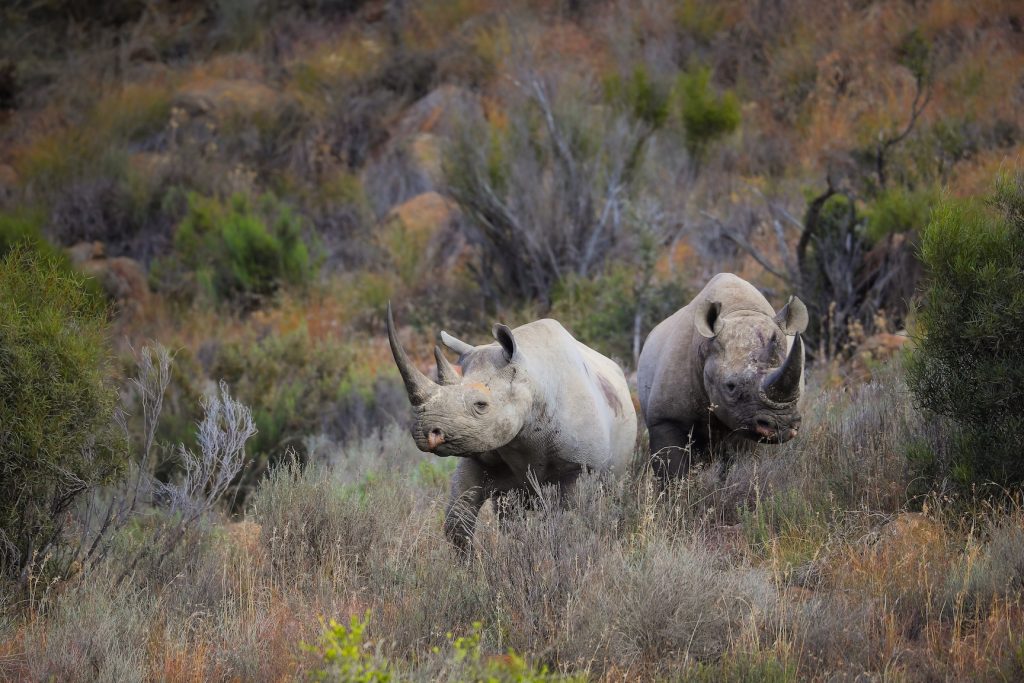
Meanwhile, Namibia just hit a massive conservation benchmark of its own. According to the 2025 National Report on Wildlife Protection and Law Enforcement by the Blue Rhino Task Team, rhino poaching dropped to just 41 individuals in 2025, down from 83 in 2024. This marks the lowest annual number recorded since 2014, offering an encouraging sign for the world’s largest remaining population of southern black rhinos. The milestone comes down to a combined effort across government agencies, law enforcement, conservation groups, and local communities relying on intelligence-led operations to keep rhinos safe.
From rebounding whale and elephant populations to plummeting rhino poaching rates and brand-new marine protections, these wins prove a simple truth: conservation works when protection is steady, progress is measured, and local communities lead the way.