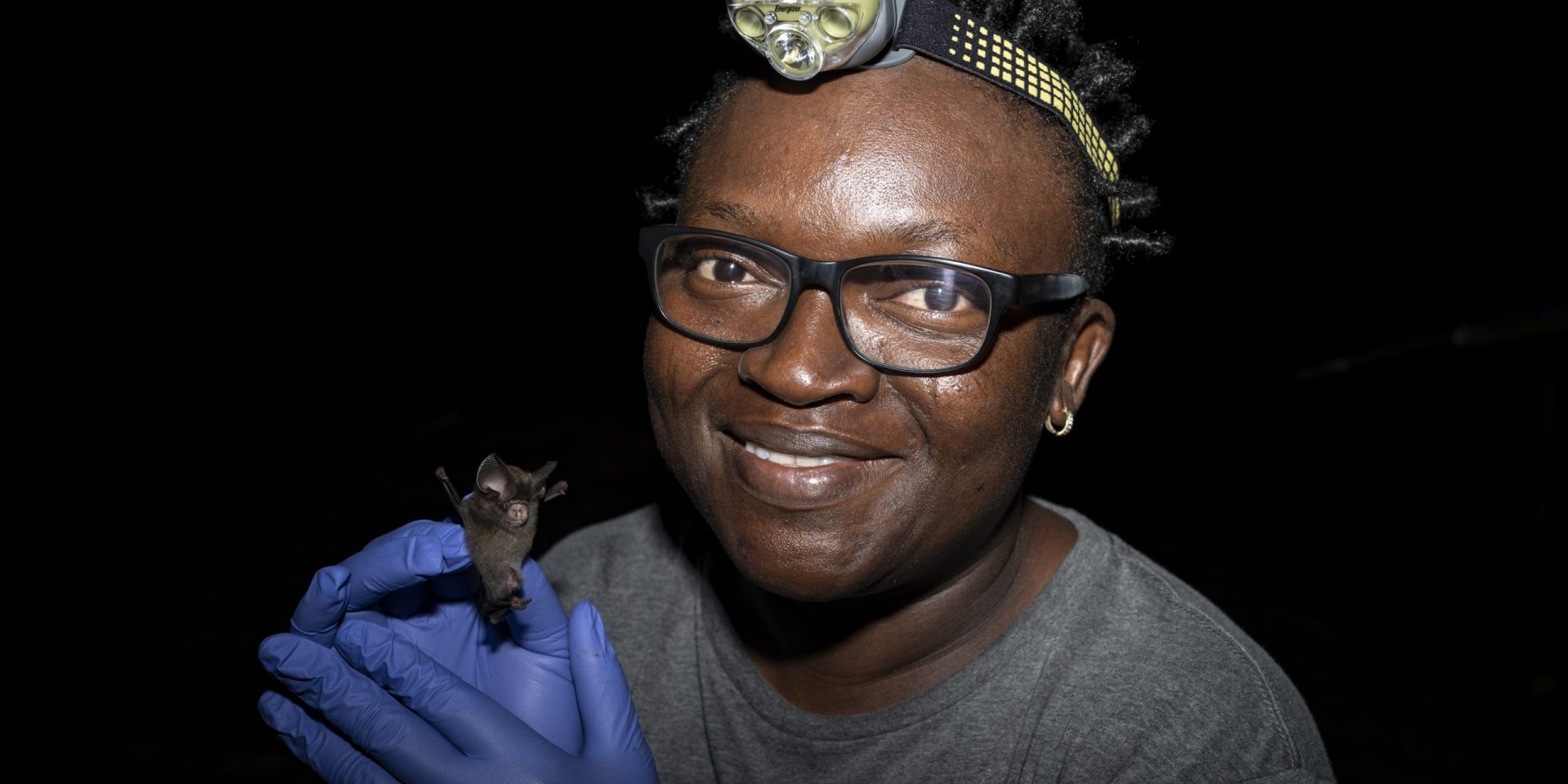
What began as a scientific quest to document rare bat species in the Afi Mountain Wildlife Sanctuary evolved into a battle against catastrophic wildfires. For conservation ecologist Iroro Tanshi, a journey into the heart of Nigerian bat conservation revealed a threat far more immediate than habitat loss. She had to act. Today, her transition from researcher to wildfire mitigation pioneer is helping to protect both endangered bats and rainforest habitat, earning her the 2026 Goldman Environmental Prize, the world’s most prestigious award for grassroots environmentalists.
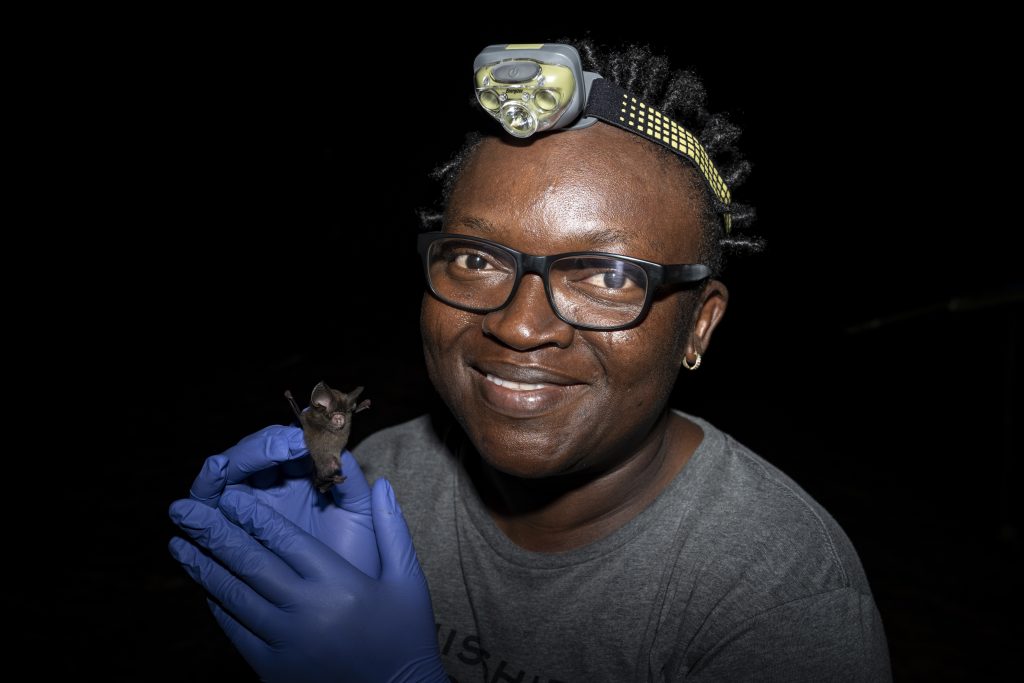
Iroro’s journey reached a turning point in 2016 when, after years of searching, she rediscovered a short-tailed roundleaf bat (Hipposideros curtus) in the Afi Mountain Wildlife Sanctuary. The species had been feared extinct in Nigeria for 45 years and had not been documented globally for five years. However, the celebration was short-lived. Just two weeks later, a massive wildfire sparked by traditional farm-clearing practices swept through the sanctuary. Wildfires can destroy forest cover surrounding cave systems, disrupt food sources, and alter the delicate microclimates bats rely on for survival.
This disastrous incident inspired Iroro to take a different path in her conservation career. Recognising that wildfires were the single greatest threat to the bats’ cave habitats, she transformed herself from a researcher into a wildfire strategist.
She studied wildfire monitoring systems used in the American West and adapted them for the Nigerian rainforest. Through several meetings and surveys with the rural communities surrounding the sanctuary, Iroro found that many of the fires were intentionally set for land clearing and traditional farming practices. She worked with local community leaders to establish forest-based laws to protect these vital ecosystems.
The Zero Wildfire Campaign
As a co-founder of the Small Mammal Conservation Organization (SMACON), she launched the Zero Wildfire Campaign. Through this initiative, 50 community members were trained and equipped to serve as “forest guardians.” Education also became central to the campaign, with Iroro teaching local children about bat conservation and fire prevention. These lessons, along with community dialogue, foster generational shifts in attitudes towards bats and fire use.
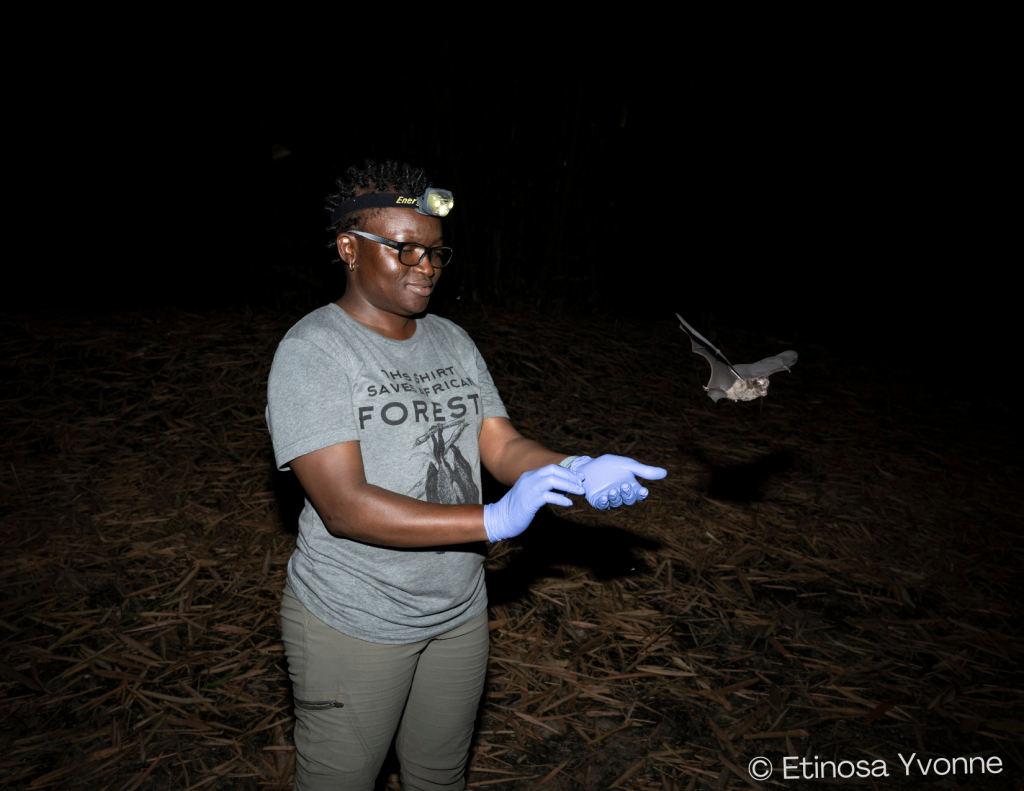
Nigeria is home to around one-third of Africa’s bat species, with an estimated 100 species recorded. These include the bat Iroro captured, the short-tailed roundleaf bat, which is currently one of Africa’s most-hunted bats and one of the world’s most endangered. Sadly, myths about bats continue to fuel fear, leading to persecution and the destruction of vital species.
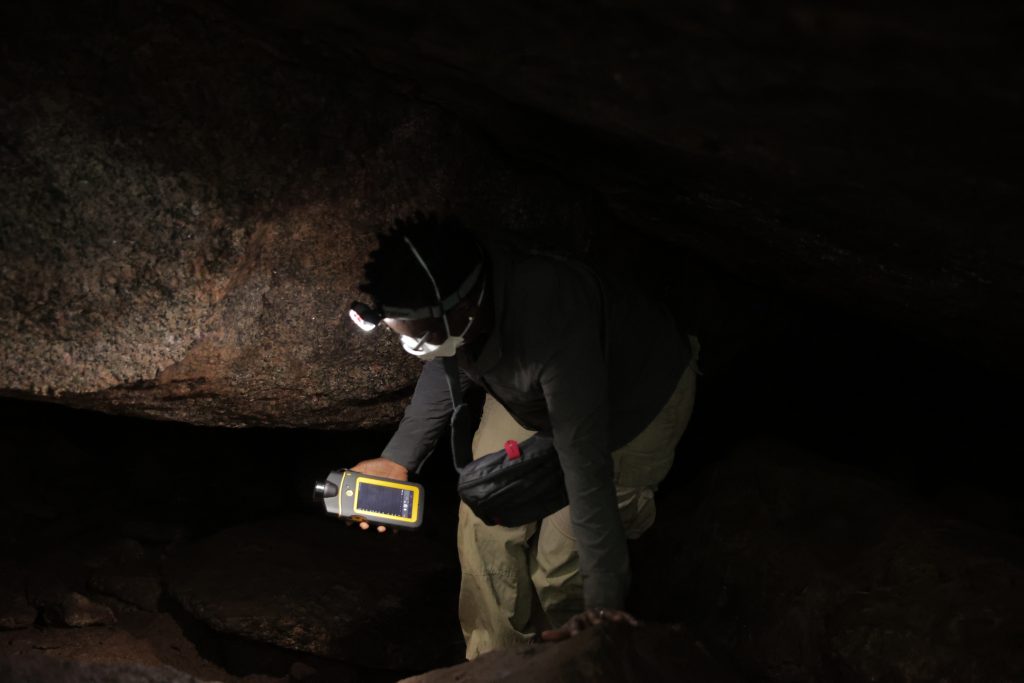
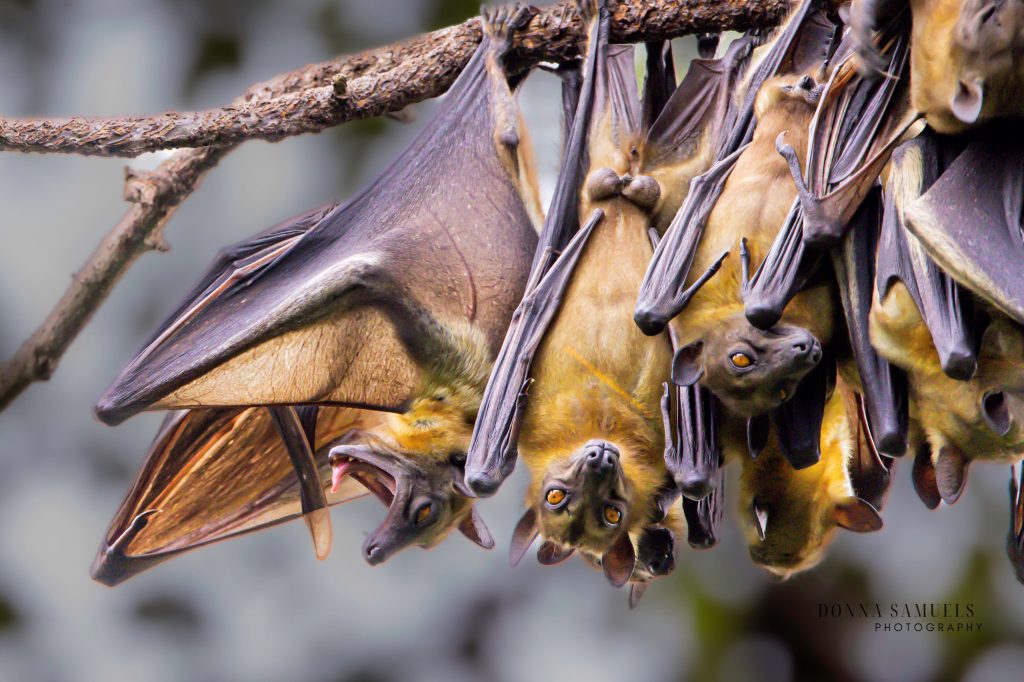
Bats play a vital role in keeping ecosystems healthy and supporting livelihoods across Africa. Insect-eating bats help control crop pests and reduce the spread of disease, while fruit bats pollinate plants and disperse seeds for species like bananas, cashews, and cacao. Their droppings, known as guano, also act as a natural fertilizer that enriches forests and farmland. Without bats, ecosystems, food systems, and local economies would struggle to stay in balance.
A Legacy in Flight
Iroro Tanshi’s work reminds us that the most effective environmental solutions are often those that empower the people living on the front lines. Through her leadership, the short-tailed roundleaf bat is no longer a ghost of the past, but a symbol of a resilient future.
We congratulate Iroro on her well-deserved Goldman award and look forward to following her future conservation work.