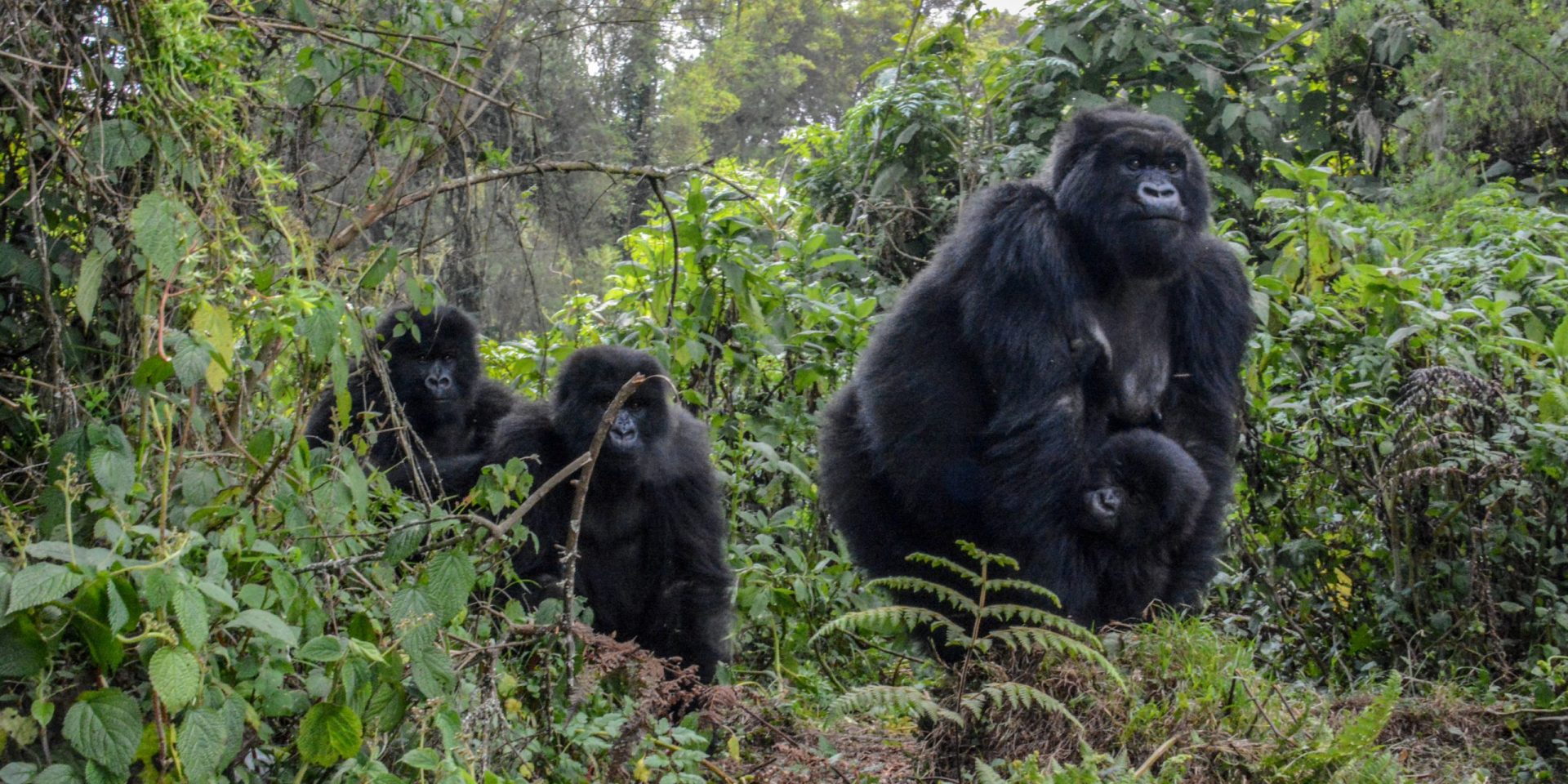
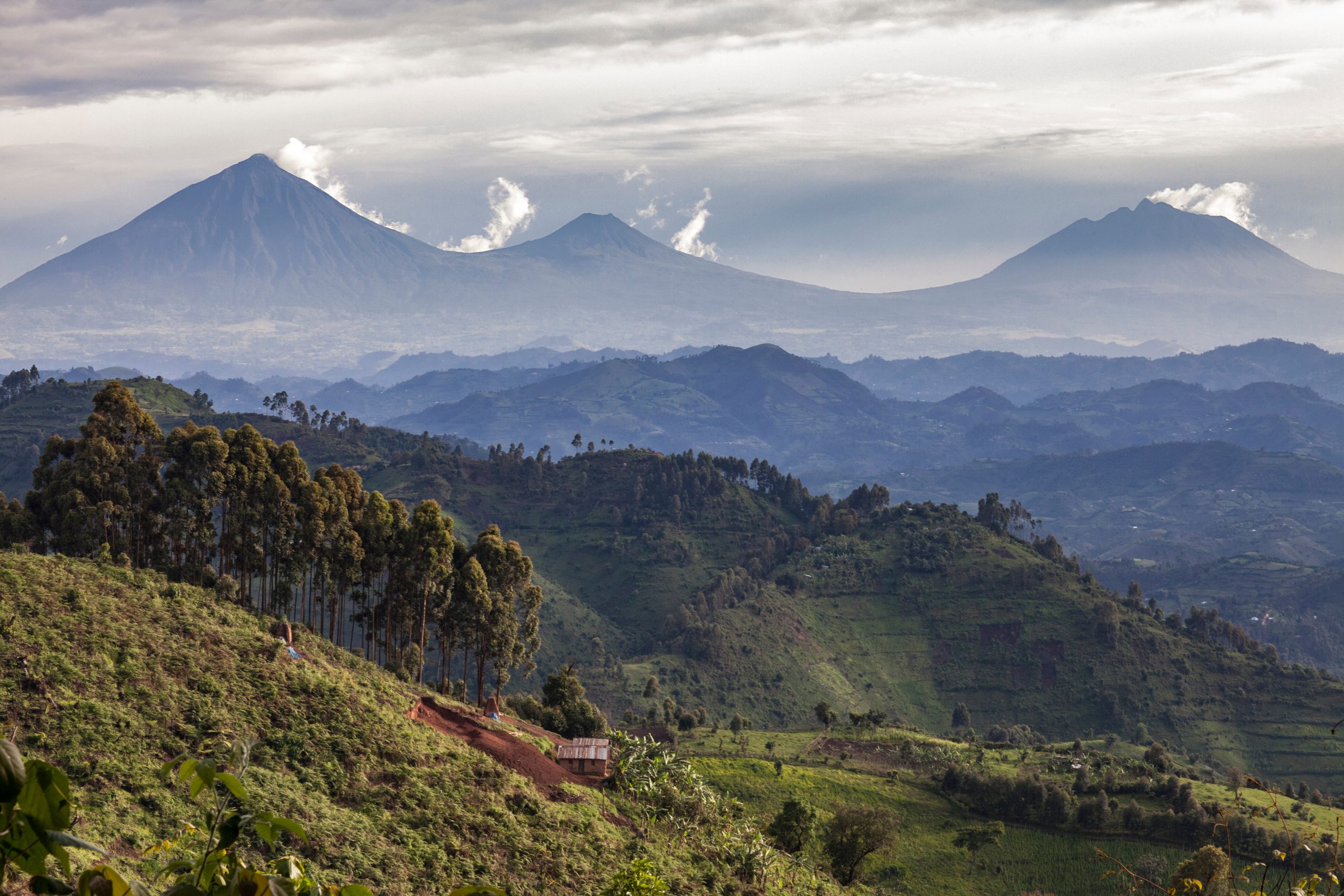
Known as the land of 1,000 hills, Rwanda offers a beautiful blend of natural beauty, warm culture and a deeply rooted sense of national pride. From the lush, misty forests of Nyungwe National Park, home to iconic mountain gorillas, to the vibrant and immaculately kept city of Kigali, it is a country that captures the heart of every traveler. But for a conservationist, Rwanda is something more: it is a beacon of hope and a living testament to the power of community-led conservation.
A visit here is an opportunity to witness a nation’s unwavering commitment to protecting its most precious assets.
The Gorilla Story: A World-Class Conservation Comeback
No story of Rwandan conservation is complete without the mountain gorillas. Rwanda is home to more than half of the world’s remaining mountain gorillas, but just a few decades ago, these remarkable animals were on the brink of extinction.
Through sustained and strategic intervention, the Government of Rwanda has helped transform the future of one of the world’s most endangered great ape species. Today, their population has grown to over 1,000 individuals, a conservation success widely recognised as a model for sustainable ecotourism.
Over the years, Rwanda has emerged as a global leader in gorilla conservation by balancing ecological protection with sustainable development and meaningful community engagement. Gorilla tourism now plays a critical role in safeguarding the species while also supporting the national economy, with nature-based tourism generating around 80 percent of the country’s tourism revenue. Income from trekking permits directly funds anti-poaching patrols, veterinary care and vital support for the local communities who share their land with these animals.
Explore the Wild Heart of Rwanda’s National Parks
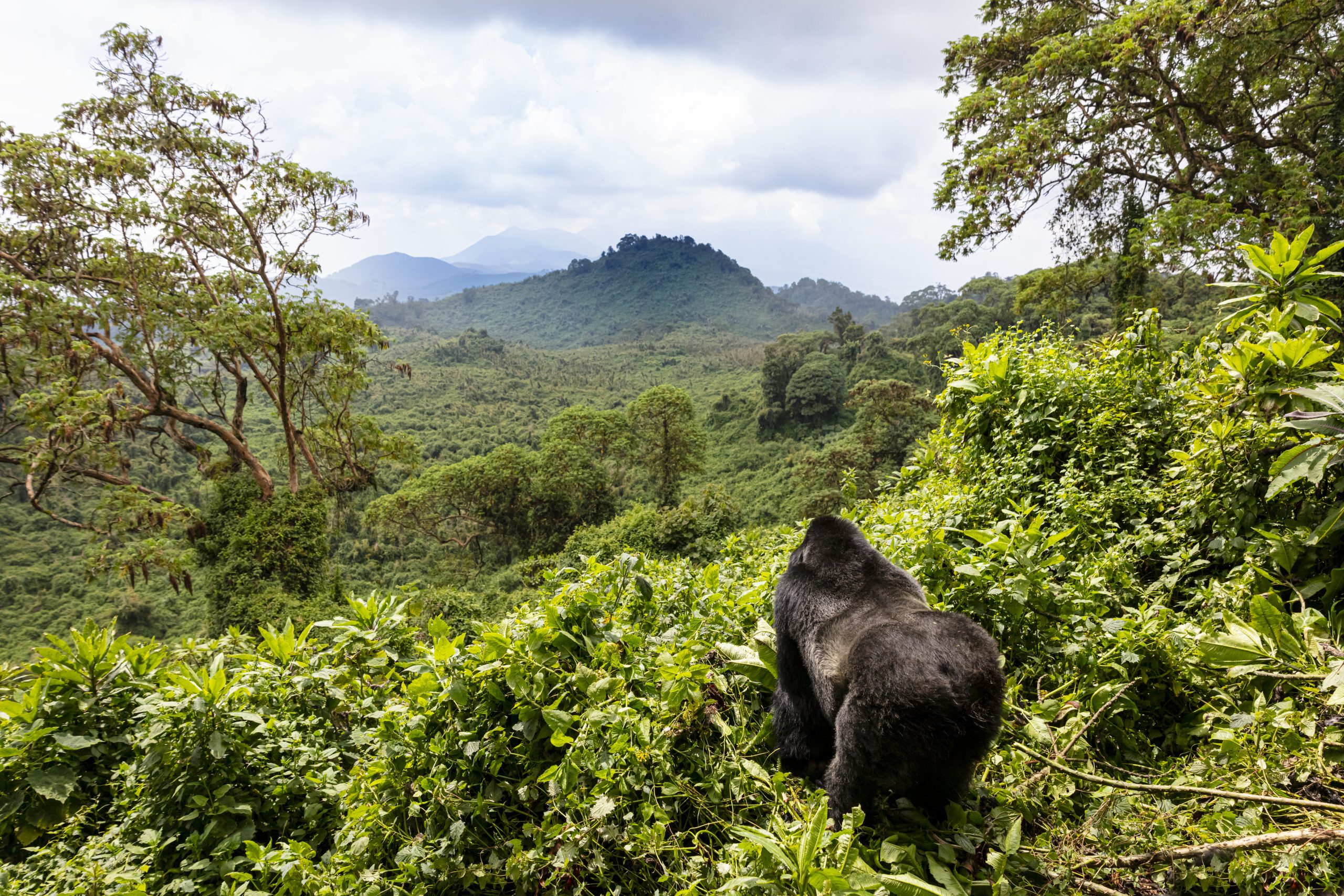
While the mountain gorillas are a powerful draw, Rwanda’s conservation story is so much greener. Nyungwe Forest, one of Africa’s oldest and largest rainforests, is a biodiversity hotspot and was designated a UNESCO World Heritage Site for its outstanding ecological value. It’s home to 13 species of primates, including chimpanzees and the striking Ruwenzori black-and-white colobus monkeys, and also boasts over 1,100 recorded plant species and 345 bird species.
A highlight for adventurous visitors is the Nyungwe Canopy Walk, the first of its kind in East Africa and one of only a few on the continent. This thrilling suspended bridge rises roughly 70 meters above a lush forest floor and stretches across 160 metres, offering a unique bird’s-eye view of the ancient forest canopy. It’s an unforgettable experience that allows visitors to connect with the forest in a way few other adventures can.
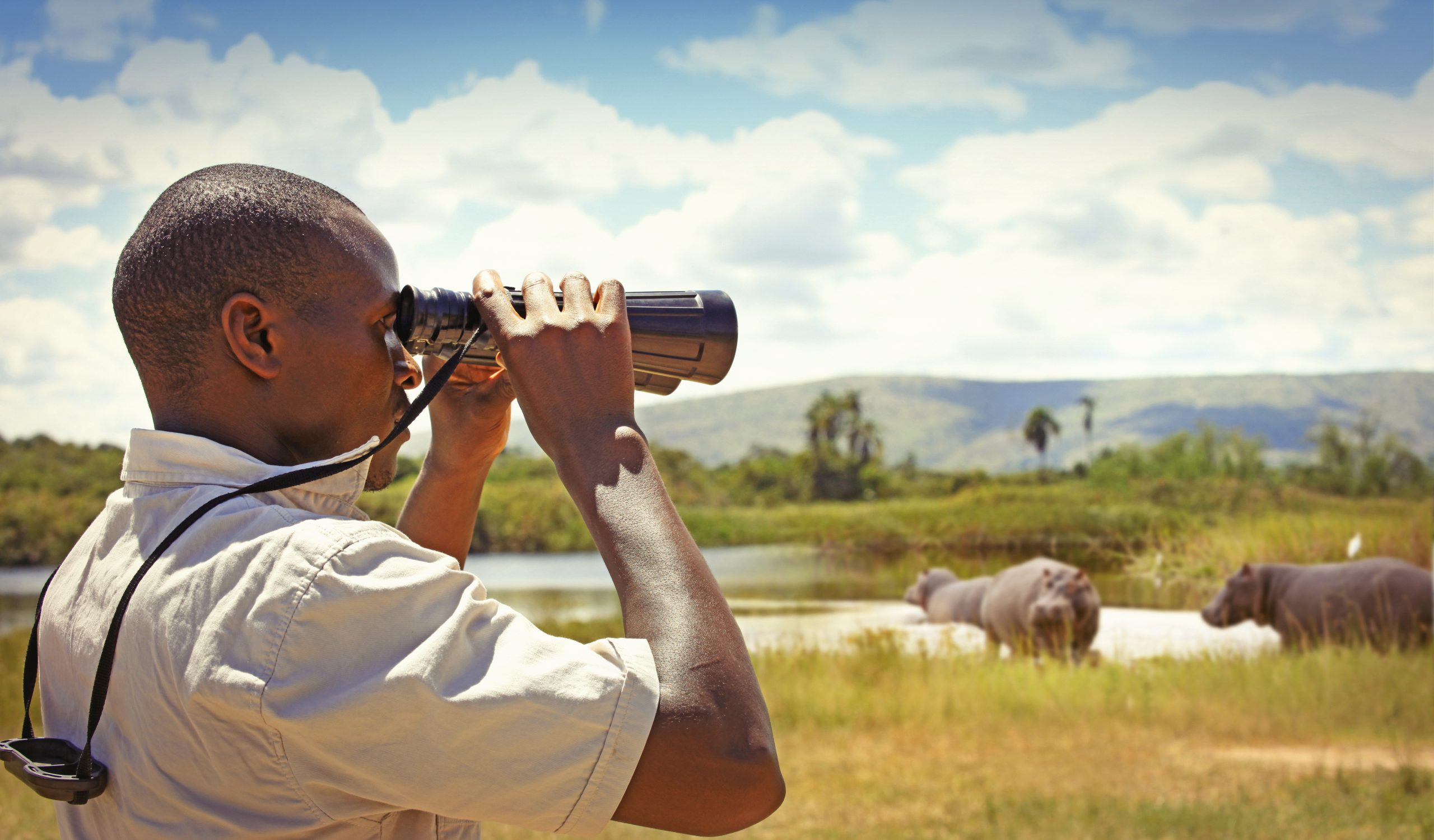
In eastern Rwanda, Akagera National Park offers a different but equally important chapter in conservation. This mix of savannah, woodlands and wetlands supports a wide range of wildlife, including elephants, lions, rhinos and hippos. Through strong law enforcement and deep community involvement, Akagera has not lost a single high-value species to poaching since 2010, demonstrating how wildlife and people can thrive together.
Together, Nyungwe and Akagera showcase Rwanda’s model of conservation that benefits both nature and local communities.
Community at the Heart of Conservation
What makes Rwanda’s conservation story truly special is its foundation in community effort. The country’s people are deeply committed to a greener future, and this dedication is visible everywhere. Initiatives like Umuganda, the monthly community clean-up day where citizens from all walks of life come together to care for their neighborhoods, and Kigali’s regular car-free days highlight a collective responsibility that extends beyond national parks. It’s no surprise that Kigali is widely recognized as the cleanest city in Africa.
This spirit of unity is mirrored in Rwanda’s conservation projects themselves, where local communities are active participants and beneficiaries. By linking jobs and opportunities to the parks, the country ensures that protecting nature is a shared goal for all.
We hope this inspires you to plan a visit to Rwanda. By doing so, you’re not just taking a trip; you’re becoming part of a remarkable conservation success story. You’re supporting a country that has shown the world what’s possible when people and nature work together to build a brighter future.