Welcome to Tanzania, a country where some of the Earth’s most extraordinary natural spectacles unfold daily. From the snow-capped peak of Mount Kilimanjaro, Africa’s highest mountain, to the endless horizons of the savanna, Tanzania is both a bucket-list travel destination and a testament to what effective, large-scale conservation can achieve.
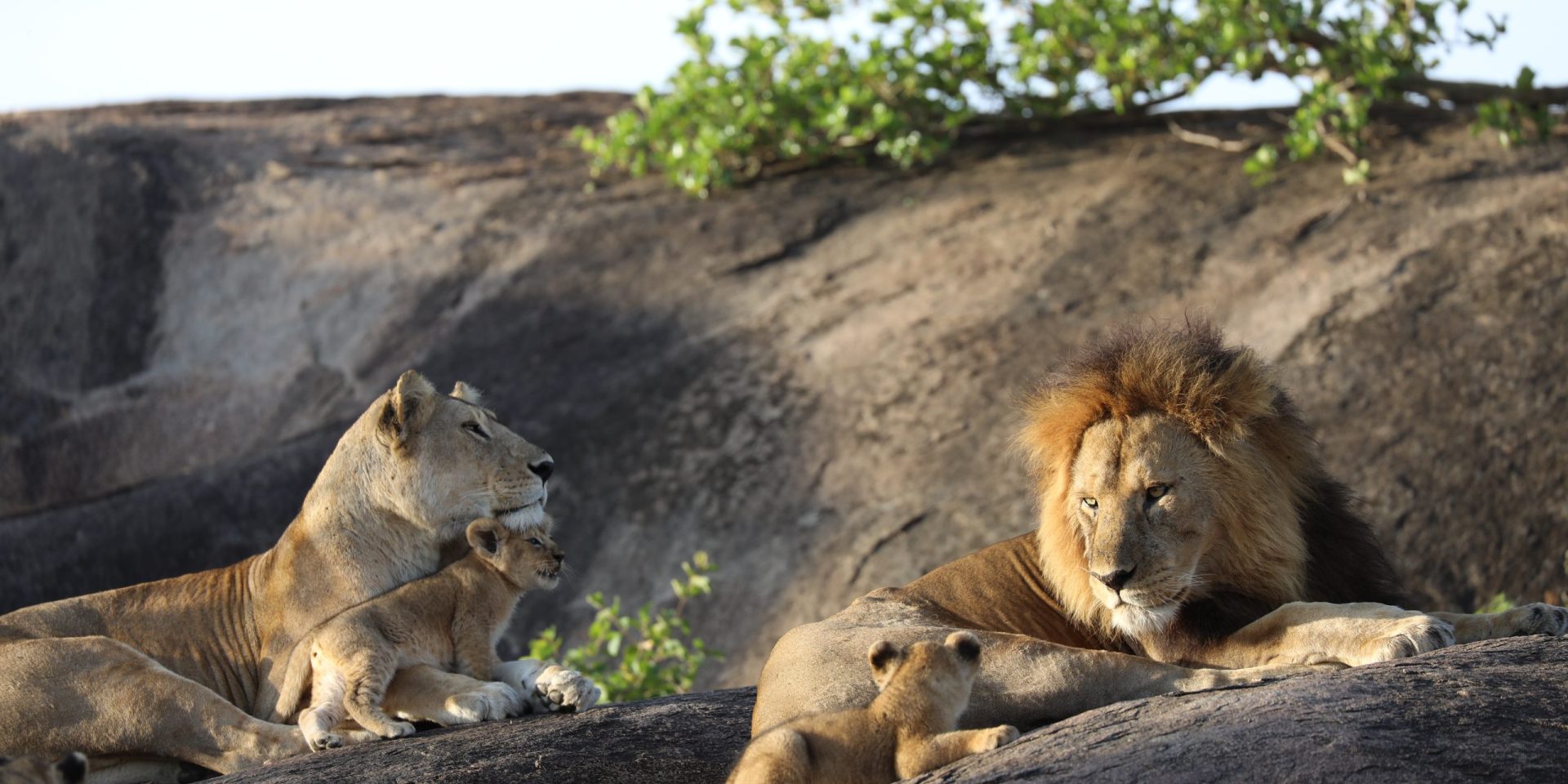
While many know it for its “Big Five” fame, Tanzania biodiversity extends far beyond these iconic species. The country is home to more than 1,000 different bird species and more than 400 kinds of mammals, making it one of the most wildlife-rich destinations on the continent. Most notably, it is home to the world’s largest remaining population of African lions. It is also one of the only places to see the endangered Zanzibar red colobus monkey, a unique primate endemic to Zanzibar.
With 21 national parks, Tanzania has built an impressive network of sanctuaries that protect critical ecosystems and the species that depend on them. Each park offers something different, giving visitors a selection of experiences to enjoy.
Here are five must-visit national parks in Tanzania:
Serengeti National Park
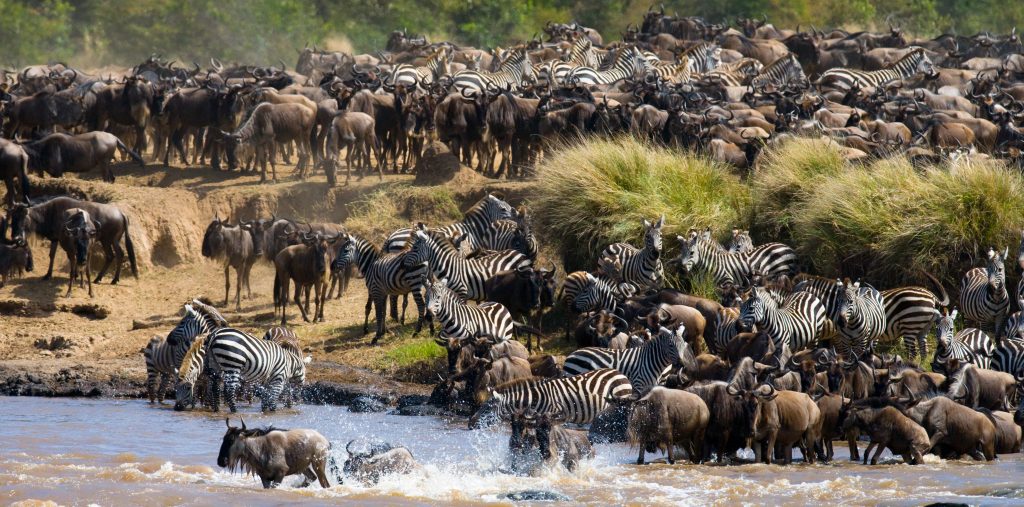
In the Serengeti, the rhythm of life is dictated by the search for water. Here, you can witness the Great Migration, one of the most breathtaking wildlife spectacles on Earth. Each year, around 1.5 million wildebeest, joined by more than 200,000 zebras and thousands of gazelles, move in a continuous cycle across the plains in search of fresh grazing and water.
This relentless journey across the savanna is a primal display of survival, driven by the seasonal rains and protected by vast, interconnected ecosystems that allow these herds to roam as they have for millennia.
Kilimanjaro National Park
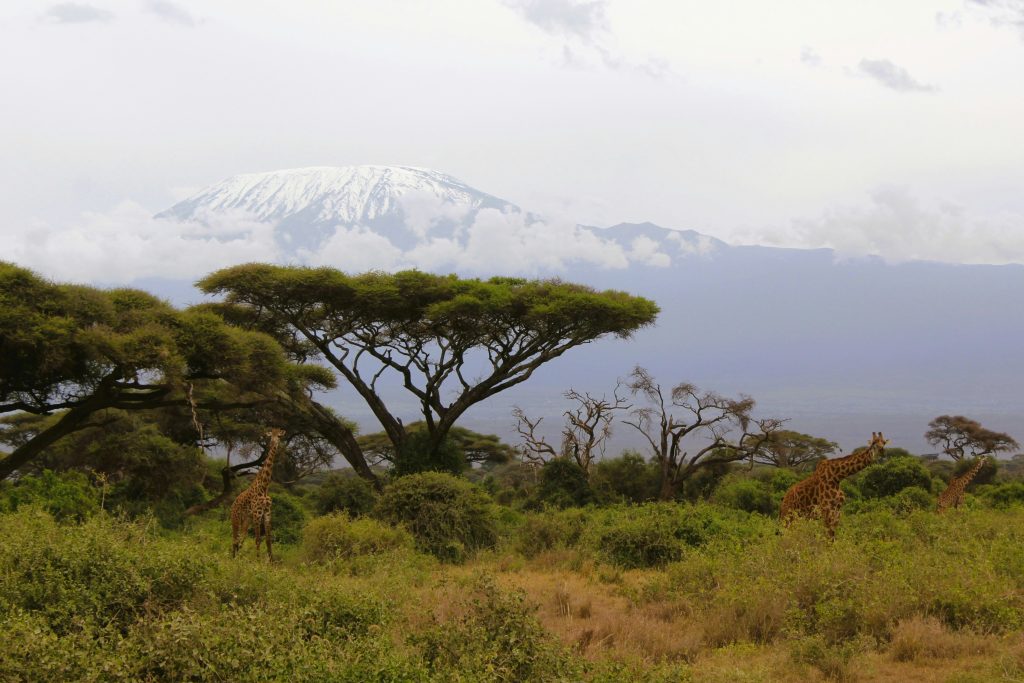
Rising majestically above the clouds, Kilimanjaro National Park, a UNESCO World Heritage site, is home to the tallest free-standing mountain in the world – Mount Kilimanjaro. Standing at 5,895 metres, it is a place of striking contrasts, with five distinct ecological zones ranging from tropical rainforests and alpine deserts. Sadly, this iconic landscape is under threat. Due to climate change, Kilimanjaro has lost around 90 percent of its ice cover since 1900, a reminder of the environmental challenges facing even the world’s most celebrated natural wonders.
Ngorongoro Conservation Area
The Ngorongoro Conservation Area, a UNESCO World Heritage Site, offers a landscape unlike any other. Nestled within an ancient, three-million-year-old volcanic caldera, this “Garden of Eden” was formed when a massive volcano erupted and collapsed in on itself. Today, its crater floor forms a natural enclosure that supports a self-sustaining haven for a dense population of wildlife, including the rare black rhino.
Tarangire National Park
Often referred to as the “Elephant’s Playground,” Tarangire National Park is famous for its high density of African elephants and its iconic, ancient baobab trees that dot the horizon. During the dry season, the Tarangire River becomes a vital lifeline, drawing thousands of migratory animals to its banks, creating one of the most vibrant wildlife spectacles in East Africa.
Nyerere National Park
Formerly part of the Selous Game Reserve, Nyerere National Park is one of Africa’s largest protected areas and a designated UNESCO World Heritage Site. Shaped by the powerful Rufiji River, it offers a rugged, off-the-beaten-path safari experience. It is a critical refuge for the endangered African wild dog and home to thriving populations of hippos and crocodiles.
Experience the adventure of a lifetime
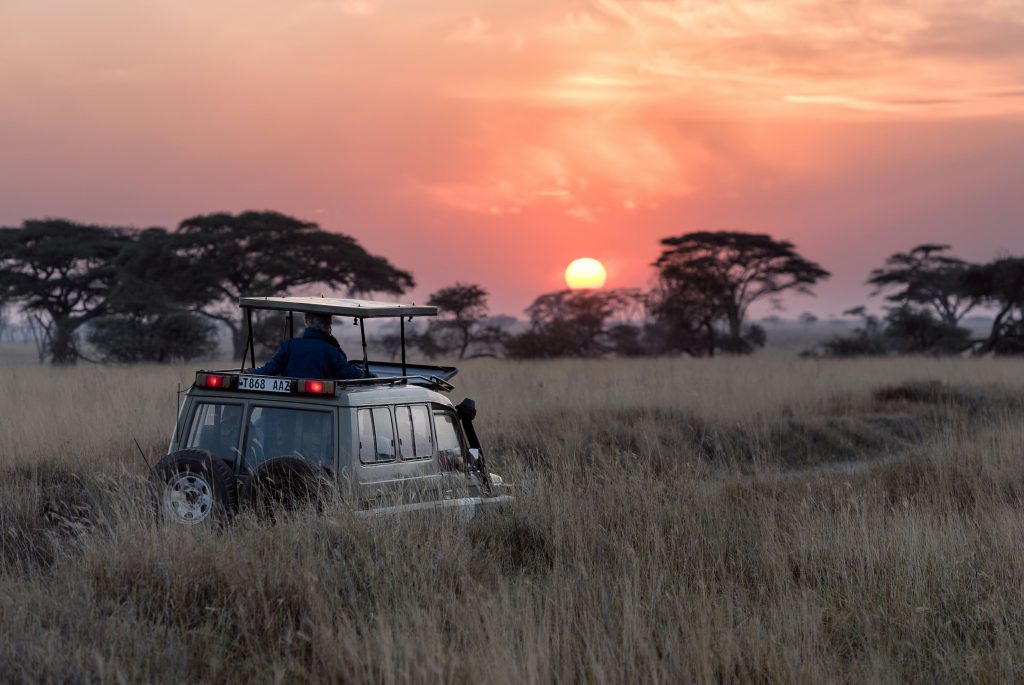
Whether you are trekking volcanic slopes or tracking the movements of great herds across open plains, Tanzania offers a profound connection to the natural world. It is a place where conservation and tourism go hand in hand, protecting extraordinary landscapes while supporting local communities. Beyond an unforgettable journey, every visit to a Tanzanian national park contributes directly to wildlife conservation, habitat protection, and the communities who help safeguard these incredible landscapes. Start planning your trip today!