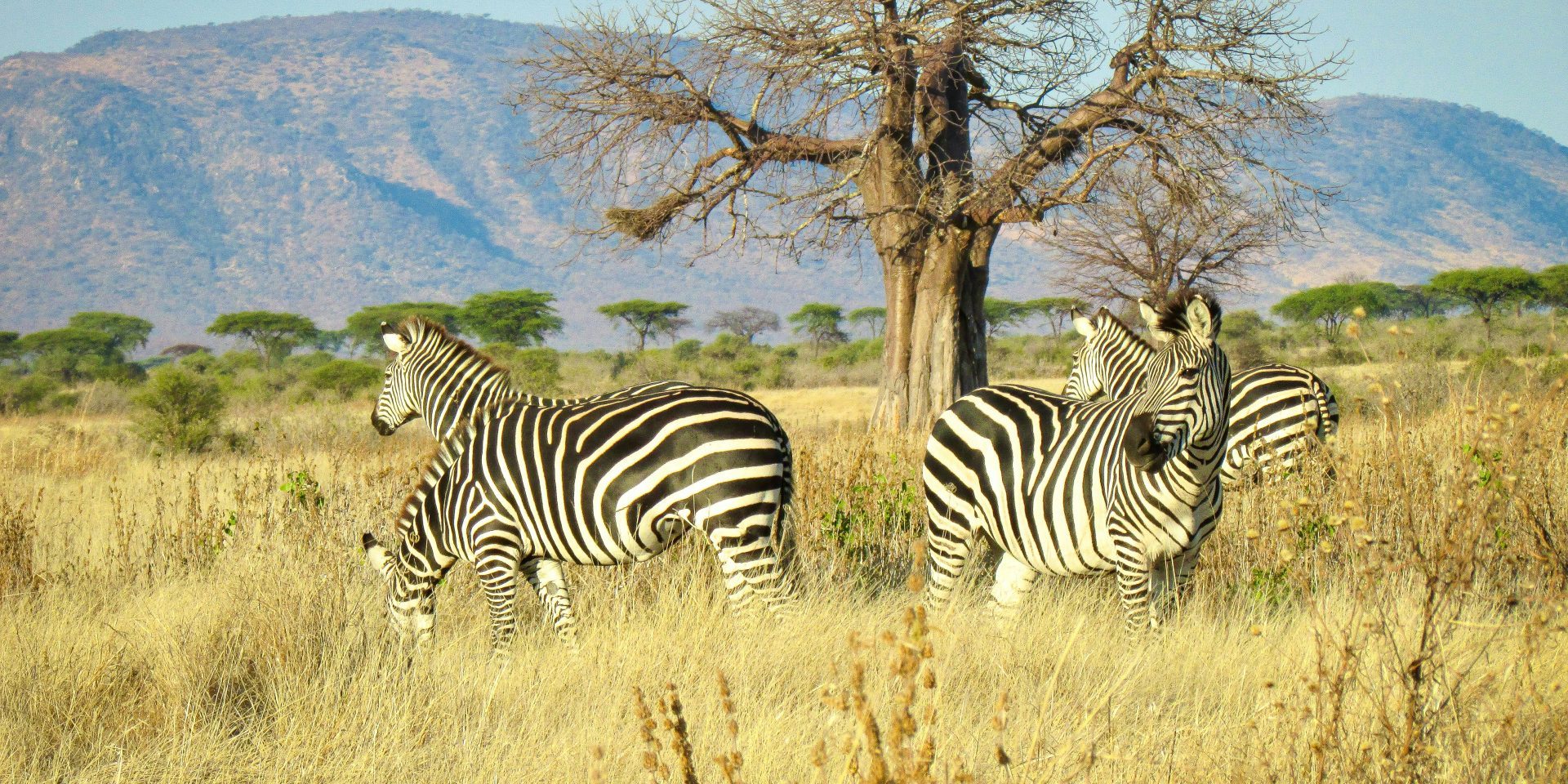
This World Wildlife Day, the focus is on a critical yet often overlooked issue: the financing of conservation. Under the theme: “Wildlife Conservation Finance: Investing in People and Planet” the 2025 observance aims to highlight the critical role of innovative financing in protecting biodiversity and securing a sustainable future for both nature and humanity.
According to the 2024 Living Planet Report, Africa’s monitored wildlife populations have declined by an average of 76% since 1970. Without immediate investment in conservation, species loss will accelerate, with devastating consequences—not just for nature, but for economies that depend on it.
The stakes are high. The Managing Nature Risks: From understanding to action report reveals that more than 55% of the world’s gross domestic product (GDP) — equivalent to an estimated US$58 trillion — is dependent on nature. In Africa, 80% of tourists visit the continent for its wildlife, fueling the ecotourism industry that sustains local economies and communities. Africa holds a quarter of the world’s biodiversity – and some of the last big mammal populations, including the Big Five. The growth of ecotourism has transformed Africa’s wildlife-safari industry into a US$ 12.4 billion business. Continued sustainable management of natural resources and the preservation of wildlife and wild spaces are essential to fostering a profitable wildlife economy that can grow further.
South Africa alone boasts 21 national parks and hundreds of game reserves, drawing visitors from around the world to experience its diverse wildlife and wild spaces. According to the World Travel and Tourism Council (WTTC), tourism contributed 8.2% to South Africa’s GDP in 2023, with projections indicating it could reach 10.4% by 2030. Income from tourism in South Africa surpasses that of industries like transport, mining and agriculture in terms of economic significance. The sector also employed 1.46 million people in 2023 with expectations to grow to 2.23 million jobs in 2030.
Peter Knights OBE, CEO of Wild Africa, emphasises, “Without nature we will not survive. Whether it’s countering our carbon footprints, safeguarding our watersheds, maintaining jobs in tourism or keeping fishing to sustainable levels. Investing in conservation in Africa isn’t charity—it’s a necessity. A world without wildlife is not just an ecological disaster – it’s an economic one, too.”
Closing the Conservation Funding Gap
Addressing the conservation funding gap requires collaboration. Governments, businesses, conservation organisations, and individuals all have a role to play.
Dr Ross Harvey, Director of Research at Good Governance Africa and Director of Harvey Economics says, “Creating vast, contiguous wild landscapes is evidently critical to our planet’s survival. For the sake of our children and grandchildren, investing in initiatives that conserve and create these landscapes could not be more urgent or important. We need to think differently about economics and governance. At present, we do not value our natural inheritance sufficiently and we discount the future too heavily, making crazily risky decisions today at the expense of tomorrow. So, we need to establish governance architecture (like a new system of general accounting) that generates appropriate incentives to conserve instead of consume nature.”
How you can take action:
- Participate in sustainable ecotourism: Choose ethical travel experiences that benefit local communities, such as visiting national parks. Avoid attractions that exploit wildlife, such as wildlife-interaction and illegal trade.
- Make responsible consumer choices: Support businesses that prioritise conservation and choose eco-friendly, locally sourced products that help protect natural resources.
- Support conservation organisations: Donate to or volunteer with reputable conservation groups working to protect wildlife and wild spaces.
A sustainable future is within reach—one where economic prosperity and environmental protection go hand in hand. As we celebrate World Wildlife Day, let’s remember: protecting nature protects us all.