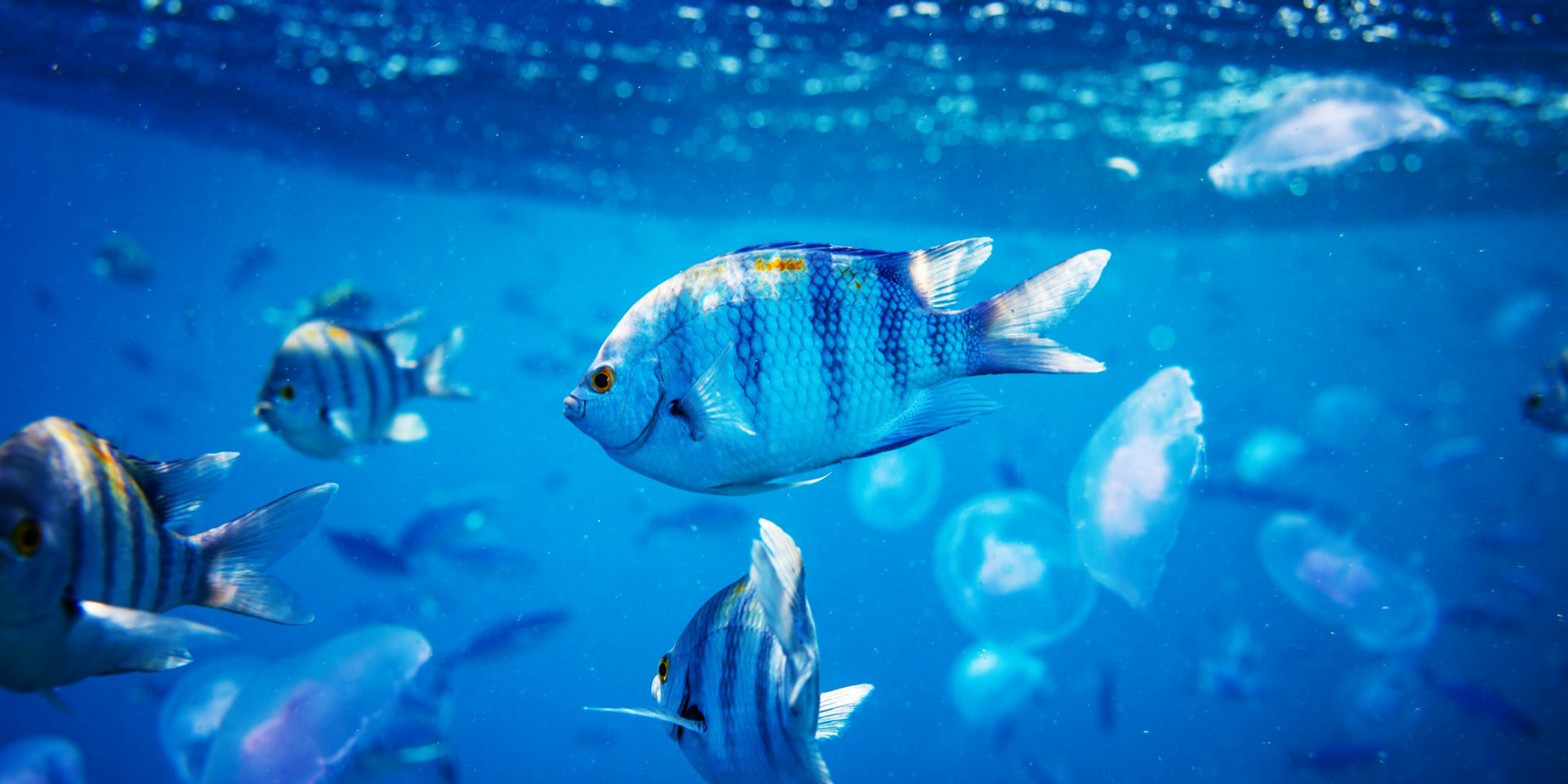
World Oceans Day is a global call to action to protect our oceans – the lifeblood of our planet and a foundation for millions of livelihoods. Healthy marine ecosystems are not just crucial for biodiversity, but for economic stability, climate resilience, and food security. In recognition of this, the Government of Tanzania introduced its 2024 National Blue Economy Policy, a transformative framework to harness the ocean’s potential while ensuring its long-term protection.
The ocean economy encompasses a diverse range of industries, including fishing, aquaculture, shipping, offshore energy, mineral extraction, marine biotechnology and coastal tourism. According to the OECD’s The Ocean Economy in 2030 report, the global ocean economy was valued at USD 1.5 trillion in 2010 and supported over 31 million jobs. This is expected to double by 2030, but only if marine ecosystems are safeguarded from further degradation.
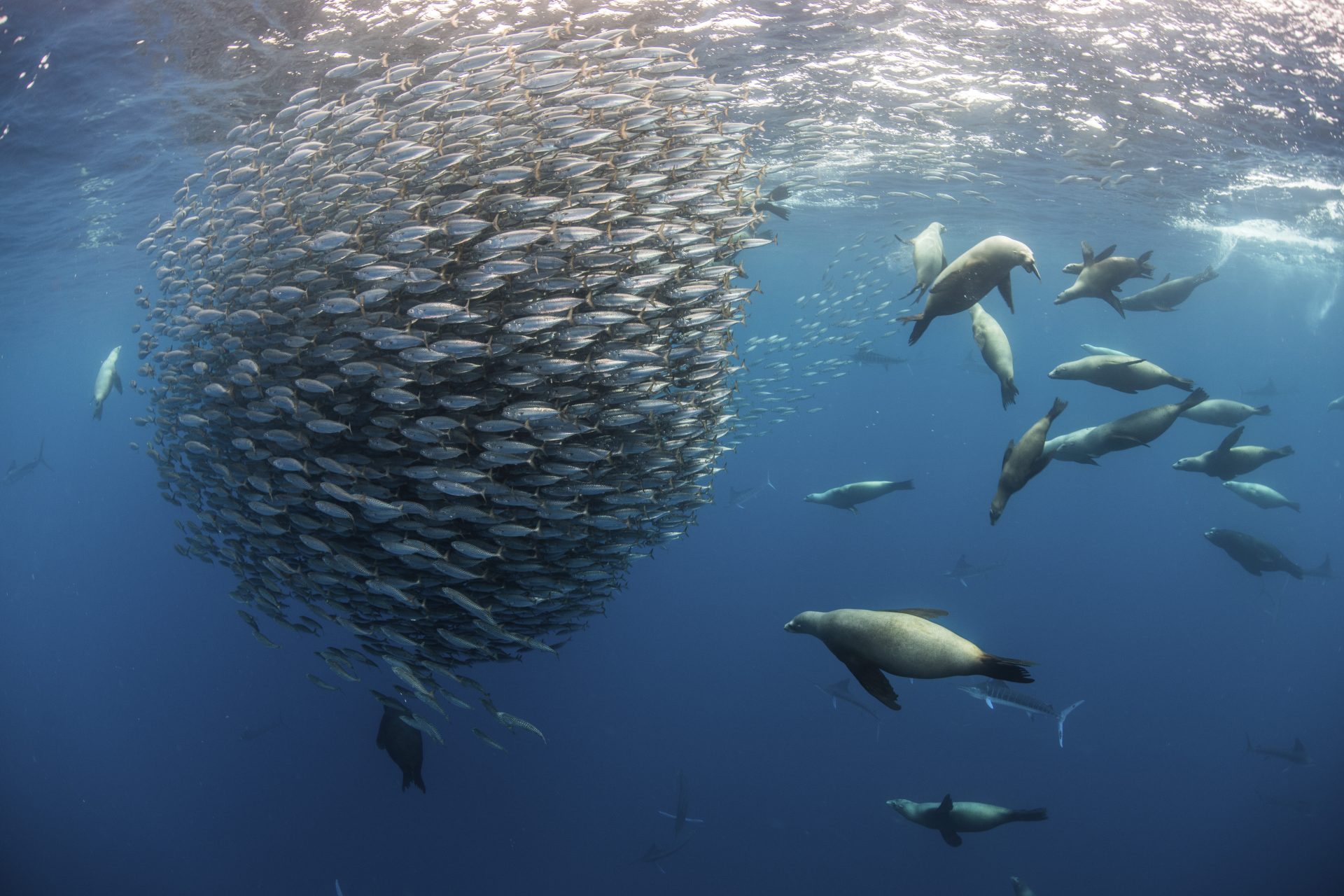
Unfortunately, our oceans are under growing pressure. Continued exploitation through overfishing, pollution, habitat destruction, and climate change continue to threaten the marine environment and the communities that rely on it.
The two major threats to our oceans are overfishing and pollution. Land-based activities are the primary source of pollution in oceans and seas, accounting for approximately 80% of all pollution. This includes pollutants like agricultural runoff, plastic waste, and industrial discharges, which contaminate coastal ecosystems, harm marine life, and threaten human livelihoods. Overfishing is another critical threat. We are simply catching and consuming more fish than the ocean can restore. According to the FAO’s “The State of World Fisheries and Aquaculture 2024 report”, healthy fish populations that can support long-term fishing have dropped from 90% in 1974 to just 62% in 2021. At the same time, the number of fish populations being overfished has risen from 10% to nearly 38%. The 2018 report also confirmed that two-thirds of the world’s fisheries have been overfished or are fully harvested and more than one third are in a state of decline because of man-made factors. factors such as the loss of essential fish habitats, pollution, and global warming.
Creating a greener ocean economy will require global policies that protect vulnerable coastal populations and the deep sea. Tanzania is taking such a step. Last year the Tanzanian government introduced its 2024 National Blue Economy Policy. It consists of a comprehensive, cross-sectoral framework to enhance Tanzania’s Blue Economy. A Blue Economy refers to an economic system that seeks to conserve marine and freshwater environments while using them in a sustainable way to develop economic growth and produce resources such as energy and food. Key sectors highlighted in Tanzania’s policy include fishing, natural resources, tourism, water, irrigation, energy, transportation, minerals, industry, trade, and environmental conservation. Crucially, the policy is people-centred. It has been designed not only to guide future laws and regulations but also to improve the well-being of Tanzanians by ensuring equitable access to blue economy opportunities, enhancing food security, and creating decent jobs—especially for coastal communities.
One such example is Tanzania-based Seaweed Café, which purchases seaweed directly from local farmers to produce and sell high-quality, sustainably made seaweed products. By creating a reliable market for seaweed, the café supports coastal livelihoods—particularly for women—and contributes to a more sustainable Blue Economy.
Nancy Iraba, Co-Founder and CEO Seaweed Café says, “At Seaweed Café, we see seaweed as more than a crop but a health, environmental and economic solution. By turning seaweed into nutritious foods, we are building healthier communities, creating stable incomes for the farmers and reducing fish stocks pressure which contributes to a more resilient and inclusive Blue Economy for Tanzania.”
Peter Knights, CEO of Wild Africa says, “Our oceans support all life on earth and sustain hundreds of millions of livelihoods. On World Oceans Day, we must redouble our efforts and support policies to protect them from irreparable damage from pollution, climate change and overfishing.”
The ocean’s health is our shared responsibility, and its future depends on the actions we take today. Tanzania’s Blue Economy vision offers a hopeful path forward, but we all play a crucial role in protecting our marine resources. This World Oceans Day, you can help to save our seas:
- Say no to unsustainable, industrial-scale overfishing.
- Choose only responsibly-sourced seafood options.
- Support community-led and science-based fisheries management.
- Reduce plastic use and waste, especially single-use plastics.
- Advocate for stronger ocean protection laws and marine reserves.
With sustained commitment and governmental and public support, we can restore our oceans and ensure a thriving future for people and the planet alike.