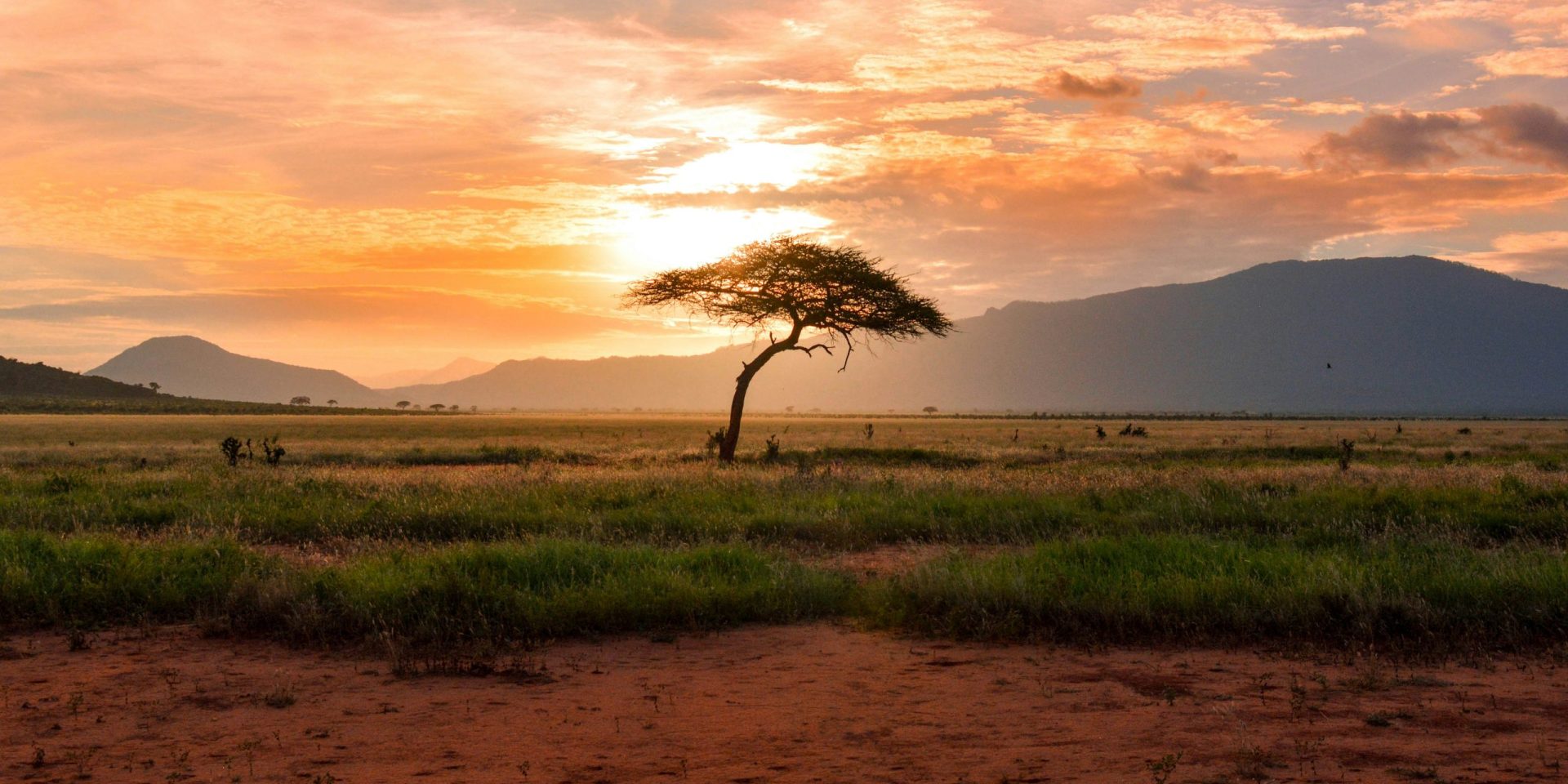
Across Africa, the statistics tell a sobering story: nearly 67% of our land is currently affected by degradation, and monitored wildlife populations have seen a staggering 76% decline in just 50 years. As human populations grow and urban expansion places unprecedented pressure on natural habitats, we find ourselves at a defining moment. The question is no longer just how we stop the damage, but how we reverse it.
The answer lies in rewilding.
What is rewilding?
At its core, rewilding is about giving nature the space and autonomy it needs to recover, rebuild, and sustain itself. It is a progressive approach to conservation that moves beyond merely “protecting” what is left; it focuses on repairing what has been lost.
As conservationist Eoghan Daltun noted, “The aim of rewilding isn’t to turn the ecological clock back in time, but to allow it to start ticking again.”
This process often requires a “helping hand” to jumpstart natural cycles. This includes:
- Protecting intact habitats and securing remaining wild spaces from further encroachment.
- Reintroducing keystone species and bringing back “ecosystem engineers” such as elephants, rhinos and apex predators that help maintain ecological balance, shape landscapes and allow other species to thrive.
- Restoring natural processes and rehabilitating degraded landscapes to revive wetlands and forests that support biodiversity and surrounding communities.
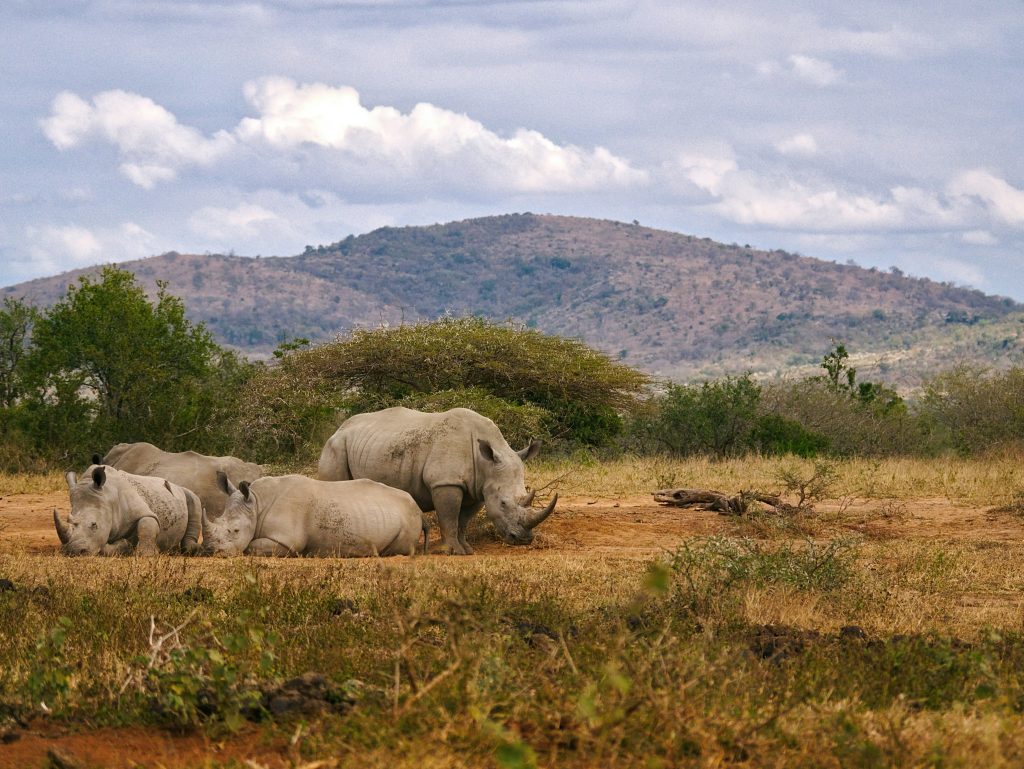
Restoring balance for a shared future:
Rewilding creates a ripple effect. By reintroducing native species and allowing vegetation to recover, we help rebuild self-sustaining ecosystems that benefit people, wildlife and the planet alike.
Through community-led projects and innovative re-greening techniques such as seed dispersal, strategic weeding and the creation of natural shrub barriers, degraded landscapes can recover in remarkable ways. As habitats are restored, wildlife gains the space and resources needed to migrate, hunt and breed, helping reverse population decline and reconnect fragmented ecosystems.
Rewilding is ultimately an investment in our collective future. Nature, communities and economies are deeply interconnected and can only thrive together.
- Climate resilience: Restored ecosystems absorb and store vast amounts of carbon while providing protection against the effects of climate change, including floods and droughts.
- Economic vitality: Healthy landscapes support sustainable tourism and provide essential ecosystem services, like clean water and fertile soil, which underpin local economies.
- Health and well-being: When nature thrives, people thrive. Intact wild spaces improve air quality, strengthen human well-being and foster a deeper connection to the natural world.
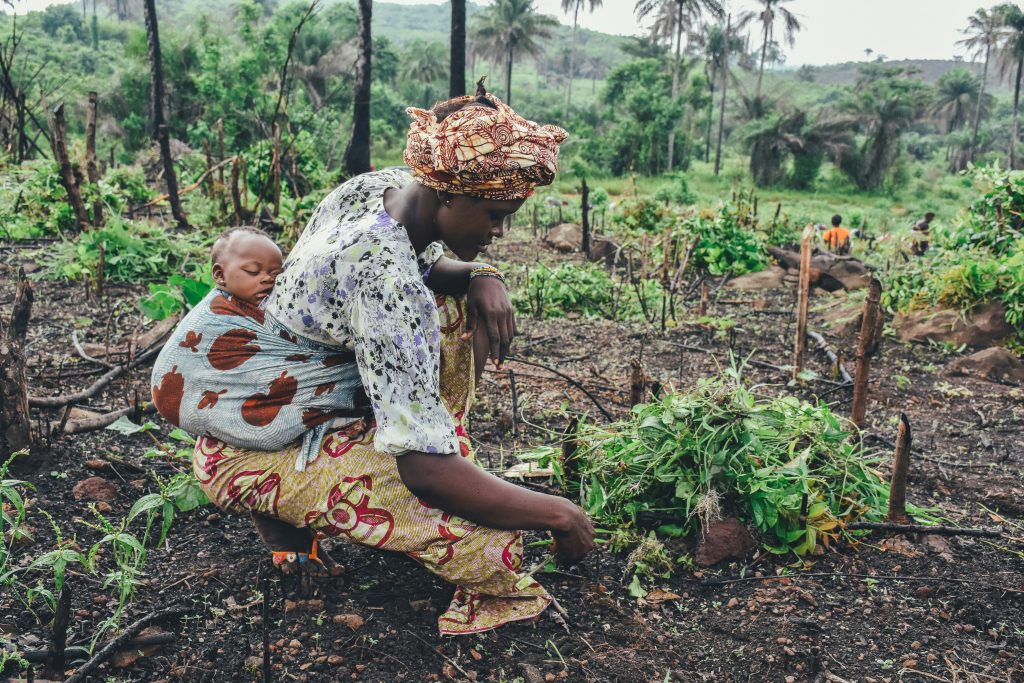
Organisations like JustDiggit are proving how beneficial rewilding can be. Since the inception of its re-greening projects, the team has restored 475,000 hectares, and brought back over 23 million trees in sub-Saharan Africa to date. “As we regreen, degraded land gets a second chance to thrive, and life slowly returns. With it, opportunities return to communities too: sustainable livelihoods, greener living environments, and more food and income,” they said.
Safeguarding Africa’s natural heritage is a mission that requires us all to act. From governments implementing large-scale restoration policies to individuals standing up against wildlife crime and reporting habitat loss, every action counts.
How you can help by:
- Backing organisations, like the Global Rewilding Alliance, on the frontline of ecosystem restoration.
- Encouraging governments to prioritise green infrastructure and habitat protection.
- Sharing the importance of rewilding within your community.
- Planting native plant species in your own space.
The clock is ticking, but through rewilding, we can ensure it keeps ticking for generations to come. Let us work together for a greener, more resilient, and truly unforgettable Africa.